Fragrant Peony: A Designer’s Review for Real Projects
As an embroidery designer who has spent years testing digital files on everything from delicate silk to heavy denim, I approach every new machine embroidery design with a mix of curiosity and skepticism. We have all been there: you download a beautiful preview, load it onto your machine, and hope the stitching matches the promise. Today, I am taking a close look at Fragrant Peony, a single flower design that claims suitability for fine fabrics and knitwear. This is not just a theoretical review; I am evaluating how this pattern holds up in actual production environments for craft businesses and personal projects alike.
First Impressions and Visual Personality
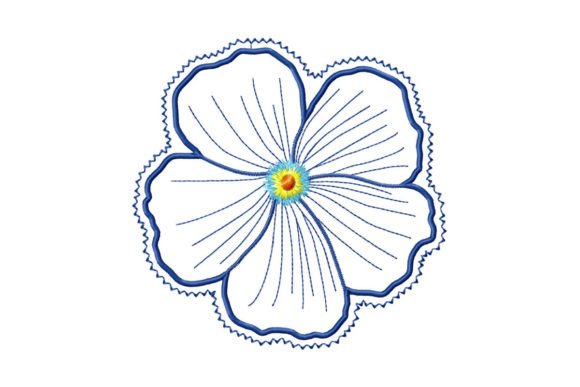
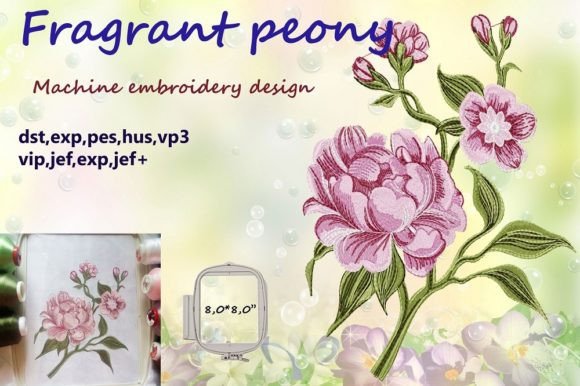
The first thing that strikes me about Fragrant Peony is its inherent softness. Unlike rigid geometric patterns or bold logo-style graphics, this design leans into organic flow. The layout suggests a natural bloom, which immediately signals its best use cases: romantic apparel, boutique home decor, and gentle personalized gifts. The visual personality is elegant rather than loud. For an Etsy seller or small shop owner, this is crucial. You want a design that enhances the garment or item without overpowering it.
The description notes that the pattern is embroidered on organza within the hoop, with the option to trim and tousle the fabric afterward. This technique creates a dimensional, almost ethereal effect. It transforms a standard flat stitch into a textured art piece. However, this specific construction method requires careful handling. It is not a "stitch and go" scenario for beginners. It demands precision in hooping and trimming. If you are looking for a quick embroidered patch for a baseball cap, this might be overkill. But if you are creating a high-end finished product like a christening gown or a luxury pillow cover, this added layer of complexity adds significant perceived value.
Real-World Application: The Tote Bag Test
To truly understand the viability of Fragrant Peony, I mentally placed it on a canvas tote bag. This is a staple item for many craft business owners. On a sturdy cotton canvas, the organza overlay would provide a lovely contrast against the rougher texture of the fabric. The key here is stability. Because the design involves trimming away the base organza, the underlying stabilizer must be robust. I would recommend a heavy cut-away stabilizer to prevent puckering, especially since the act of trimming can pull on the surrounding stitches.
Imagine a customer browsing a local market. They see a plain tote, and then they see one with this delicate, layered peony. The tactile nature of the trimmed organza invites touch. In retail psychology, touch leads to purchase. This design does not just look good; it feels expensive. That is the difference between a commodity item and a handmade product that commands a higher price point. For commercial embroidery projects where brand perception matters, this attention to detail can set your work apart from mass-produced alternatives.
Fabric Considerations and Technical Challenges
The product description explicitly mentions suitability for fine fabrics and knitwear. This is a bold claim that requires scrutiny. Embroidering on knits, such as sweatshirts or baby clothes, is notoriously tricky due to stretch. If you plan to use Fragrant Peony for sweatshirt embroidery or baby embroidery, you must prioritize your stabilizer choice. A fusible tear-away might not be enough. I would advise using a soft cut-away stabilizer to support the stitches without irritating sensitive skin.
Furthermore, the organza technique introduces a variable: fraying. When you trim the organza, the edges will naturally fray slightly. On a dark fabric, this might look like intentional distressing. On a light fabric, it needs to be clean. I always test a digital embroidery file on scrap fabric before committing to a final piece. Check how the stitch density interacts with the fabric texture. If the density is too high for a fine silk, you risk perforating the material. If it is too low, the organza might not stay secure.
For those considering this for custom apparel like t-shirts, remember that the trimmed organza adds bulk. While minimal, it is still an extra layer. On a fitted garment, this could affect drape. On a loose blouse or a tote bag design, it is negligible. Always consider the end-use. Will this item be washed frequently? If so, ensure the organza is securely tacked down by the satin or fill stitches surrounding it. Loose threads after a wash cycle can ruin the professional look of your small shop product.
Enhancing Brand Consistency and Customer Trust
Consistency is the backbone of any successful creative enterprise. When you choose a design like Fragrant Peony, you are making a statement about your brand. It says you value intricacy and traditional craftsmanship. This aligns well with brands focusing on wedding gifts, holiday decor, or nursery items. Using such a distinct style helps build recognition. Customers begin to associate that specific floral elegance with your name.
However, professionalism comes from execution. A beautiful design poorly stitched damages trust. Before listing this as a printable mockup or selling the physical item, inspect the back of your embroidery. Are there excessive jumps? Is the tension balanced? These technical details matter just as much as the visual appeal. For design assets intended for resale, ensuring the file runs smoothly on various machines is part of your quality control. If you are an Etsy seller, your reviews will reflect this diligence. A single puckered seam can lead to a negative review, while a flawless finish encourages repeat business.
Practical Notes for the Embroiderer
Before you dive into your next embroidery project with this file, keep these practical tips in mind:
- Test on Scraps: Never skip this step. Use the same fabric and stabilizer combination you plan to use for the final product.
- Check Thread Contrast: Since the organza is trimmed, the thread color defines the shape. High contrast threads make the design pop; tonal threads create a subtle, sophisticated look.
- Verify Hoop Size: Ensure your machine’s hoop can accommodate the full design plus the necessary margin for the organza overlay.
- Inspect Small Details: Zoom in on the digital preview. Look for tight corners or tiny elements that might bunch up during stitching.
- Confirm Licensing: If you plan to sell finished items, double-check the license terms associated with the embroidery file. Some designers allow commercial use for physical goods but restrict digital resale.
- Mockup Testing: Create black and white mockups to see if the design holds its shape without color reliance. This helps identify structural weaknesses in the digitizing.
In conclusion, Fragrant Peony offers a unique opportunity to elevate standard embroidery projects through texture and layering. It is not merely a pattern; it is a technique that requires skill and patience. For the experienced maker, it provides a pathway to create standout pieces in a crowded market. Whether you are decorating a holiday embroidery gift or building a catalog for your boutique, this design rewards careful attention. Treat it with respect, prepare your materials thoroughly, and it will deliver a result that feels both timeless and fresh.