Clover Leaf Embroidery: A Designer’s Real-World Review
As a designer who spends more time staring at stitch simulations than I do sleeping, I have learned to be skeptical of "cute" claims. We see thousands of machine embroidery design files pass through our libraries every year. Most are forgettable. Some are technically flawed. But occasionally, you find a file like Clover Leaf that stops you mid-scroll because it balances aesthetic charm with technical reliability. I recently pulled this design into my workspace to evaluate it not just as a digital asset, but as a tangible component for real-world products. Here is my honest assessment of how it performs from the screen to the hoop.
First Impressions: Modern Simplicity Meets Classic Symbolism
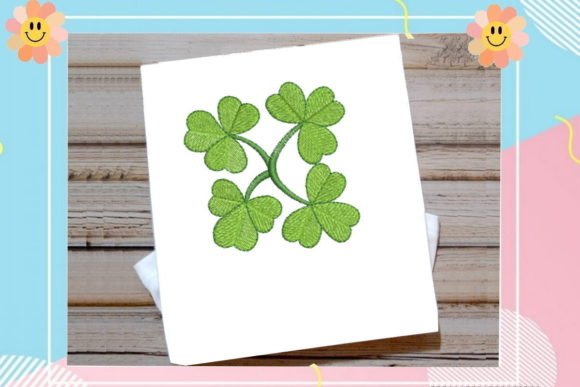
The first thing that strikes me about Clover Leaf is its clean visual personality. In an era where over-digitized, dense designs can look muddy on modern apparel, this design embraces negative space. It feels sweet and modern, exactly as described, but without sacrificing the structural integrity needed for a crisp finish. The layout is balanced, avoiding the common pitfall of asymmetrical weight that causes fabric to pucker during stitching.
While it naturally fits into the St Patrick S Day category due to the iconic three-leaf motif, limiting it to March would be a mistake. The shape is organic and versatile. It carries a mood of fresh beginnings and natural simplicity, making it suitable for spring collections, botanical-themed home decor, or minimalist branding for eco-conscious small businesses. It does not scream "holiday novelty"; instead, it whispers "timeless accent."
Real-World Application: The Tote Bag Test
To truly judge an embroidery file, you have to imagine it on a product. I visualized Clover Leaf on a heavy canvas tote bag, a staple for any Etsy seller or craft fair vendor. This is where the design shines. The open nature of the leaf shapes allows the texture of the canvas to show through slightly, creating a nice interplay between the thread and the fabric texture.
If I were producing this for a client, I would likely use a satin stitch border to define the edges sharply, ensuring the design pops against neutral tones like oatmeal, sage green, or soft white. For a personalized gift, such as a monogrammed baby blanket or a nursery pillow cover, the design’s gentle curves feel safe and inviting. It lacks the aggressive density that can make baby items stiff or uncomfortable against sensitive skin. This versatility makes it a strong candidate for custom apparel ranging from sweatshirts to lightweight tees.
Performance on Different Materials
One of my primary concerns with any new design is how it handles varied materials. Clover Leaf appears to have a moderate stitch density, which is crucial for versatility. On stable fabrics like cotton twill or linen, it should lay flat and clean. However, when moving to stretchy knits for t-shirts or hoodies, the design’s openness works in your favor. Dense fills often cause knit fabrics to gather and warp, but a design with this level of detail distribution minimizes that risk.
For those interested in creating an embroidered patch, this design is ideal. The clear outlines translate well to felt or twill backings, allowing for a professional-looking merchandise item that can be ironed or sewn onto jackets and bags. It serves as an excellent tote bag design element or a subtle chest logo for boutique branding.
Technical Considerations for the Serious Maker
While the design is robust, no digital file is immune to user error. Here are the practical notes I jotted down while reviewing the stitch path:
- Hoop Size Selection: Ensure you select the correct hoop size for your machine. While the design is not massive, placing it too close to the edge of a small hoop can lead to framing issues. Always center your design carefully.
- Stabilizer Choice: Because the design relies on clean lines, using the right stabilizer is non-negotiable. For woven fabrics, a medium-weight cut-away stabilizer will provide long-term durability, especially for items like sweatshirt embroidery that will undergo frequent washing. For delicate fabrics, consider a tear-away with a topping to prevent the stitches from sinking into the pile.
- Thread Color Contrast: I tested the design mentally in both monochrome and high-contrast scenarios. It looks sophisticated in a single tone, such as deep forest green on cream. However, if you plan to use multiple thread colors, ensure the transitions are smooth. Avoid clashing hues that might distract from the simple elegance of the leaf shape.
- Fabric Darkness: When stitching on dark fabric, pay attention to the underlay. If the design uses light threads on black fabric, ensure your digitizing software (or the file provider) has included sufficient underlay stitches to prevent the background fabric from showing through the top stitches.
Commercial Viability for Small Shops
For small shop product creators and digital embroidery file sellers, Clover Leaf offers strong commercial potential. It is not just a seasonal item; it is a evergreen asset. You can market it as part of a spring collection, a nature-inspired series, or even a luck-themed wedding gift line. The "sweet and modern" aesthetic appeals to the current trend of minimalist handmade goods.
When creating printable mockup images for your online store, this design photographs well. Its clean lines remain distinct even in smaller thumbnail images, which is vital for click-through rates on platforms like Etsy. It adds perceived value to a plain garment, transforming a basic tee into a handmade product worth a higher price point.
Where to Use Caution
Despite its strengths, there are scenarios where you should proceed with care. If you are working with very thin or slippery fabrics like silk or rayon, the open spaces in the design might require additional stabilization to prevent shifting. Additionally, if you are scaling the design down significantly for a tiny pocket emblem, check the smallest details. Tiny running stitch elements can sometimes get lost or break if the scale is reduced too far beyond the intended size.
Also, be mindful of curved surfaces like caps. While the design is not overly dense, embroidering on a structured cap requires precise hooping. The symmetry of the clover must be perfectly centered, or the visual balance will feel off to the customer.
Final Verdict: A Reliable Staple for Your Library
In the world of commercial embroidery, reliability is king. Clover Leaf delivers a professional finish without requiring advanced troubleshooting. It is a design that respects the fabric it sits on, enhancing rather than overwhelming the material. Whether you are creating holiday embroidery for March or building a year-round line of botanical design assets, this file earns its place in your folder.
Before you start your next embroidery project, always remember to test on scrap fabric first. Check your tension, verify your stitch density settings, and confirm the licensing terms if you plan to sell the finished product. With proper execution, Clover Leaf is more than just a pattern; it is a tool for creating memorable, high-quality goods that customers will love to wear and use.