Reviewing Let the Shenanigans Begin for Real Projects
As a designer who spends more time staring at stitch simulations than actual fabric, I have learned that not every machine embroidery design is created equal. Some look fantastic on a screen but turn into a tangled mess under the needle. Others are so simple they lack impact. When I first loaded Let the Shenanigans Begin into my software, I was looking for that sweet spot: a design with personality that is also technically sound for real-world production. This piece, centered around the playful spirit of St Patrick S Day, promises versatility across shirts, aprons, and hats. But does it hold up when you are trying to run a efficient craft business or create a high-end personalized gift? Here is my practical breakdown.
First Impressions and Visual Personality
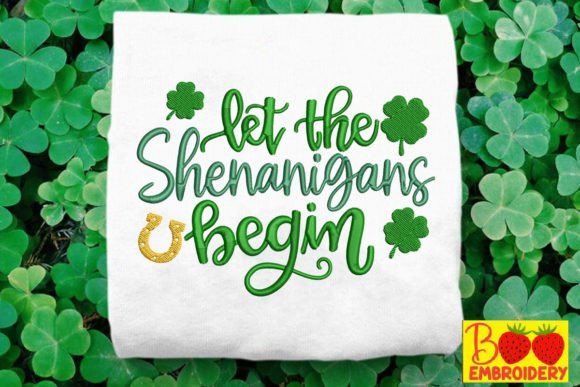
The immediate appeal of Let the Shenanigans Begin is its mood. It is not overly complex, which is often a blessing in embroidery. The layout suggests a balance between text and graphical elements, likely featuring whimsical typography paired with thematic icons like shamrocks or leprechaun hats. For an embroidery project, this visual personality is crucial. It feels lighthearted and festive without being childish, making it suitable for a wide demographic.
From a design perspective, the shape and detail level appear optimized for clarity. In embroidery, too much detail in a small area leads to thread breaks and puckering. This design seems to respect the limitations of the medium, using bold lines and open spaces that allow the thread colors to pop. It creates a clean silhouette that reads well from a distance, which is essential for apparel and home decor items where the design needs to make an instant statement.
Real-World Application: The Tote Bag Test
To truly evaluate an embroidery file, I mentally place it on various substrates. Let us consider a custom canvas tote bag, a staple for any Etsy seller or small shop product. Canvas has a distinct weave and texture. A design like Let the Shenanigans Begin works exceptionally well here because the likely use of fill stitch areas provides enough coverage to stand out against the textured background.
If I were producing this for a boutique client, I would pair bright green threads with a natural or black canvas. The contrast ensures the "shenanigans" theme is unmistakable. For a sweatshirt embroidery project, the design’s scale becomes critical. Hoodies have thick, fuzzy fabric. If the design relies too heavily on tiny satin stitch details, they might get lost in the fleece. However, given the description emphasizes its suitability for shirts and hats, I suspect the line weights are robust enough to handle heavier fabrics without losing definition. This makes it a strong candidate for holiday embroidery collections where durability and visibility are key.
Apparel and Accessories Considerations
When moving to curved surfaces like caps or hats, the stability of the design matters. Let the Shenanigans Begin appears to have a contained footprint, which is ideal for the limited hoop space of a cap. However, caution is needed with stretchy fabrics like performance t-shirts. If the design has high stitch density, it can cause the fabric to pucker or warp. I recommend testing this specific design on scrap fabric similar to your final product. Use a cut-away stabilizer for knits to ensure the finished product remains flat and professional.
For baby embroidery items, such as onesies or bibs, softness is paramount. While this design is cute, always check the back of the stitching. If there are excessive jump stitches or dense backing, it might irritate sensitive skin. Using a soft tear-away stabilizer and trimming threads meticulously can mitigate this, turning a standard digital embroidery file into a premium personalized gift.
Technical Performance and Stitch Quality
The success of any commercial embroidery project hinges on technical execution. With Let the Shenanigans Begin, pay close attention to the transition between different stitch types. Does it use running stitch outlines effectively to define shapes before filling them? Good designs use underlay stitches to anchor the top threads, preventing shifting during washing.
Since the product description mentions it looks great on towels and aprons, we can infer it handles absorbent, looped fabrics well. Towels require designs that do not snag on the loops. A well-digitized design will avoid sharp, isolated points that can catch on terry cloth. If you notice any tiny, isolated satin columns in the preview, consider merging them or adjusting the angle to ensure smooth production runs. This attention to detail separates a hobbyist attempt from a professional craft business asset.
Strategic Placement and Fabric Choices
Where you place this design determines its impact. On a shirt, left-chest placement offers a subtle, classy look, while a large center chest print makes a bold statement for festival wear. For dark fabrics, ensure your thread colors have high luminance. Neon greens and whites work beautifully here. On light fabrics, you might need to add a subtle outline or choose darker accent colors to maintain visibility.
Be cautious with thin fabrics like silk or lightweight rayon. The weight of the embroidery can distort these materials. If you must use Let the Shenanigans Begin on delicate items, consider using it as part of an applique design strategy, where a piece of fabric covers the bulk of the area, reducing the number of stitches directly on the garment. This technique also adds texture and value to the handmade product.
Commercial Viability for Makers and Sellers
For Etsy sellers and creative entrepreneurs, time is money. A design that stitches out quickly and cleanly is invaluable. Let the Shenanigans Begin seems designed for efficiency. Its "cute" aesthetic appeals to the impulse buyer looking for seasonal decor or fun apparel. To maximize profit, create printable mockups that show the design on various items: a cozy pillow cover, a kitchen towel, or a stylish apron. This helps customers visualize the end result, increasing buyer engagement.
Brand consistency is another factor. If your shop specializes in whimsical, handcrafted items, this design fits seamlessly into your catalog. It reinforces your brand identity as fun and approachable. However, always confirm licensing terms before selling finished items. Most designers allow commercial use of the physical embroidered product, but restrictions may apply to reselling the digital embroidery file itself. Clarify this to protect your business.
Final Designer Notes and Recommendations
Before committing to a large batch of custom apparel or holiday gifts, follow these steps:
- Test on Scrap Fabric: Always stitch a sample on the exact material you plan to use. Check for puckering, thread breaks, or registration issues.
- Check Thread Contrast: View the design in black and white on your screen. If it disappears, you need higher contrast in your thread choices.
- Verify Hoop Size: Ensure the design fits comfortably within your machine’s hoop, leaving room for stabilization.
- Inspect Small Details: Zoom in on the digital file. Are there tiny stitches that might break? Simplify if necessary.
- Use Proper Stabilizer: Match the stabilizer to the fabric. Cut-away for knits, tear-away for wovens, and wash-away for delicate or textured fabrics.
In conclusion, Let the Shenanigans Begin is a versatile addition to your library of design assets. It balances festive charm with practical stitchability, making it a reliable choice for both personal projects and commercial sales. By understanding its strengths and respecting the technical requirements of embroidery, you can create finished products that delight customers and stand the test of time. Whether you are decorating a tote bag for a friend or stocking your small shop for the spring season, this design offers the playful energy needed to capture attention and drive sales.