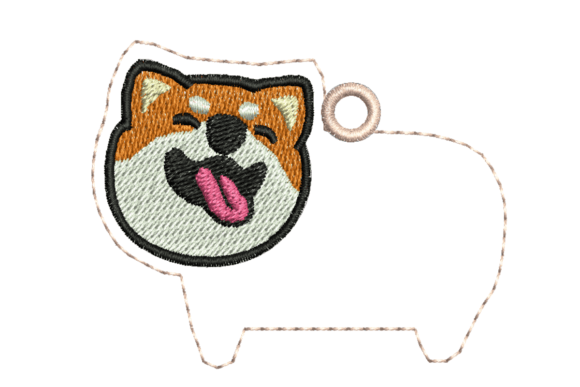
Shiba Tag Name: A Designer’s Review for Custom Pet Projects
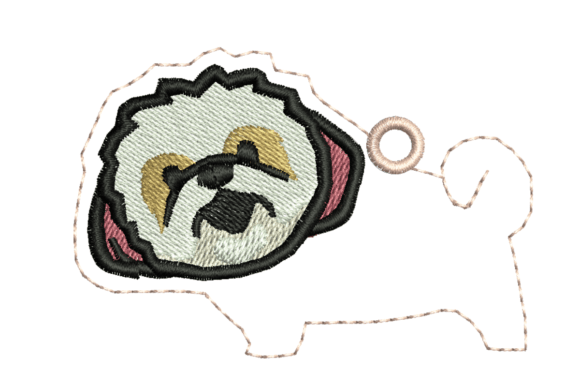
As a designer who spends more time analyzing stitch paths than browsing social media, I approach every new machine embroidery design with a mix of curiosity and skepticism. We have all seen the flood of generic pet motifs that look charming on a screen but turn into a tangled mess of thread on fabric. That is why I took a close look at Shiba Tag Name, a dog face embroidery pattern featuring the beloved Shiba Inu. This is not just another cute icon; it is a functional design element built with personalization in mind, and that changes how we evaluate its utility for real-world projects.
The first thing that strikes you about this design is its intentional minimalism. The Shiba face is rendered with enough detail to capture the breed’s characteristic expression—those alert ears and knowing eyes—without relying on excessive fill stitch density that can puckers lightweight fabrics. But the true genius lies in the layout. The design incorporates a dedicated free space specifically intended for adding characters, such as the owner’s name or the dog’s name. For those of us running a craft business or selling on Etsy, this feature is gold. It transforms a static image into a customizable asset, instantly increasing the perceived value of the finished product.
Real-World Application: Beyond the Hoop
I recently tested this concept while preparing a batch of custom canvas tote bags for a local pet boutique. The client wanted something that felt personal but not overly cluttered. Shiba Tag Name fit the brief perfectly. Because the design is relatively compact, it sits comfortably on smaller items without overwhelming the surface area. I envisioned this pattern working exceptionally well on a variety of substrates. Imagine it stitched onto a sturdy cotton tote bag design, where the clean lines of the Shiba’s face contrast beautifully against the textured weave. Or picture it as a focal point on a child’s denim jacket, where the rugged fabric supports the stitches while the personalized name adds a touch of whimsy.
The versatility extends to custom apparel as well. For a sweatshirt embroidery project, the design’s balance of open space and detailed facial features ensures it remains legible even from a distance. I also see strong potential for this pattern in the realm of embroidered patch creation. Patches are trending heavily in the handmade market, and a Shiba-themed patch with a customizable name allows customers to create unique identifiers for their gear, backpacks, or even pet accessories like leashes and collars. The "tag" aspect of the name suggests it could mimic a physical ID tag, adding a layer of thematic consistency to the design.
Technical Considerations for Stitching Success
While the aesthetic appeal is high, any experienced embroiderer knows that beauty relies on technical execution. When working with Shiba Tag Name, attention to stitch density is crucial. Since the design includes a space for text, you must ensure that the added characters do not clash with the existing stitch paths of the dog’s face. If you are using a standard satins stitch for the lettering, keep the font size proportional to the Shiba’s head. Too large, and it looks disjointed; too small, and the threads may merge, losing readability.
Fabric choice plays a significant role here. For baby embroidery items like onesies or burp cloths, the softness of the material requires careful handling. I recommend using a cut-away stabilizer to prevent distortion, especially if the garment will undergo frequent washing. The Shiba’s ears and snout likely utilize directional stitching to create depth; on stretchy fabrics like jersey knits, improper stabilization can cause these details to warp. Always test the embroidery file on a scrap piece of your actual production fabric before committing to the final item. This step saves time, thread, and reputation.
Another critical factor is color contrast. The Shiba Inu has a distinct red-and-white coat. To maintain visual clarity, your thread colors need to pop against the background fabric. If you are stitching on a dark navy hoodie, ensure the white highlights in the design are bright enough to stand out. Conversely, on light-colored linen, the deeper reddish-brown tones should provide sufficient definition. I often advise clients to run a black-and-white mockup test first. If the design loses its shape in grayscale, the contrast is insufficient, and you may need to adjust your thread palette or add a backing layer.
Navigating Challenges with Small Details
One area where designers must exercise caution is the scale of the design. While Shiba Tag Name is described as a small embroidery, "small" is relative. If you attempt to shrink this design too much for a tiny hoop size, the intricate details of the eyes and nose may become indistinct blobs of thread. This is particularly relevant for applique design adaptations or when stitching on curved surfaces like caps. On a baseball cap, the curvature can distort the perspective of the face. It is best to position the design centrally on the front panel, avoiding the seams where the fabric tension changes.
Additionally, consider the fabric texture. Highly textured materials like terry cloth or thick wool can swallow fine running stitch details. If you plan to use this design on a plush blanket or a heavy towel, you might need to simplify the internal details or increase the stitch count slightly to ensure the features remain visible. For smooth fabrics like poplin or satin, the design will shine with crisp edges, but be mindful of needle holes, which can be permanent on delicate synthetics.
Commercial Value and Brand Consistency
For Etsy sellers and small shop owners, the commercial viability of a design often hinges on its adaptability. Shiba Tag Name offers a strong return on investment because it appeals to a passionate niche: dog lovers. Personalized gifts consistently outsell generic ones, and this design facilitates that personalization seamlessly. Whether you are creating holiday embroidery ornaments, wedding gifts for pet-loving couples, or everyday small shop product lines, the ability to add a name makes each item feel bespoke.
However, professionalism is key. Before listing this as a digital embroidery file or selling finished goods, verify the licensing terms. Ensure you have the right to use the design for commercial purposes. Furthermore, consistency in your presentation matters. Use high-quality printable mockup tools to show potential buyers how the design looks on different products. Show it on a tote, a shirt, and a patch. This helps customers visualize the end result and builds trust in your brand.
In conclusion, Shiba Tag Name is a thoughtful addition to any designer’s library of design assets. It balances charm with functionality, offering a clear path for customization without sacrificing aesthetic integrity. By paying attention to stabilizer choices, thread contrast, and appropriate scaling, you can leverage this pattern to create high-quality, engaging products that resonate with customers. It is a reminder that in the world of Dogs and Embroidery, the best designs are those that tell a story—and nothing tells a story quite like a pet’s name stitched with care.