Floral Pinnace: A Designer’s Review for Real Projects
As a designer who has spent years digitizing patterns and testing them on everything from stiff denim to delicate silk, I approach every new machine embroidery design with a critical eye. It is not enough for a pattern to look pretty on a screen; it must hold up under the needle, survive the wash, and appeal to the end customer. Recently, I evaluated Floral Pinnace, a piece categorized under Intricate Cuts within the broader Embroidery market. My goal was to determine if this design is merely decorative or if it possesses the structural integrity required for commercial use.
First Impressions: Mood and Visual Personality
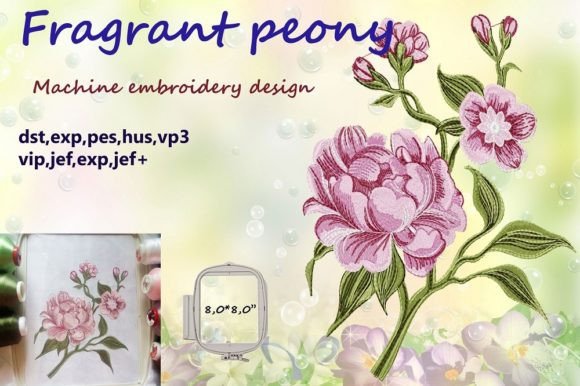
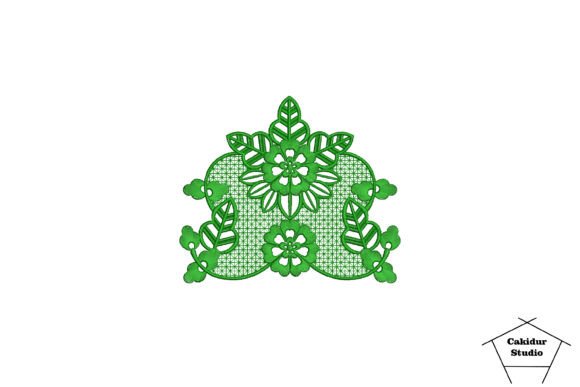
The first thing that strikes you about Floral Pinnace is its elegant complexity. It does not shout for attention with oversized shapes or chaotic lines. Instead, it offers a refined, botanical aesthetic that feels both timeless and modern. The layout suggests a natural growth pattern, which is crucial for designs intended to sit on curved surfaces like sleeves or caps. For a designer, this organic flow is a significant advantage because it allows the eye to travel smoothly across the fabric without getting stuck on awkward, rigid angles.
The detail level is high, which immediately raises questions about stitch density and execution. In my experience, intricate floral motifs can easily become a tangled mess if the digitizer does not account for pull compensation and thread tension. However, the visual preview of Floral Pinnace suggests a thoughtful balance between satin stitch borders and fill stitch interiors. This combination is essential for creating depth and texture, giving the finished product a premium look that justifies a higher price point in a small shop product lineup.
Real-World Application: From Screen to Stitch
To truly test the viability of this design, I imagined a specific client scenario. A boutique owner approached me for a line of spring-themed custom apparel. She wanted something that would work on both lightweight cotton tees and heavier canvas tote bag design prototypes. This is where Floral Pinnace shines. Its versatility allows it to scale reasonably well, provided you respect the limits of your hoop and machine.
I visualized this pattern embroidered on a neutral-toned linen apron. The intricate cuts of the petals would provide a lovely contrast against the woven texture of the linen. For a personalized gift, such as a baby shower present, this design could be scaled down for a onesie. However, one must be cautious. Baby embroidery requires softer threads and lower density to prevent irritation against sensitive skin. If you choose to use Floral Pinnace for infant wear, I strongly recommend testing the back of the stitching to ensure no harsh jump stitches or dense clusters remain exposed.
Another practical application is in holiday embroidery projects. Imagine this floral motif stitched onto a velvet pillow cover for Easter or a spring wedding gift. The richness of the design complements luxurious fabrics, adding an element of sophistication that simple monograms often lack. For an Etsy seller, offering this as part of a curated collection of home decor items could significantly enhance brand consistency and perceived value.
Navigating Technical Challenges
While Floral Pinnace is visually stunning, it is not without its technical demands. Designers must be realistic about where this pattern belongs. It is not a "throw-it-on-and-go" design for difficult fabrics. For instance, using this on highly textured fabrics like terry cloth or thick fleece might obscure the finer details. The intricate cuts rely on clear definition, which can be lost if the fabric pile is too high.
Similarly, stretchy fabrics require careful handling. If you are applying this to a jersey knit sweatshirt embroidery project, proper stabilization is non-negotiable. I recommend using a cut-away stabilizer to support the weight of the stitches and prevent distortion after washing. Without it, the delicate lines of the floral pattern could pucker, ruining the professional appearance of the finished product.
Dark fabrics present another challenge. If you plan to stitch Floral Pinnace on black or navy material, you must consider your thread colors carefully. Lighter threads will pop, but you may need to add an underlay or even a small applique base if the design includes open spaces that reveal the dark fabric underneath in an unintended way. Always check the design in a black-and-white mockup first to see how the contrast holds up without the distraction of color.
Commercial Viability and Brand Value
For those running a craft business, the choice of design assets directly impacts customer trust. A sloppy embroidery job can damage a brand’s reputation, while a crisp, clean stitch-out builds loyalty. Floral Pinnace, when executed correctly, signals professionalism. It shows that the maker cares about detail and quality. This is particularly important for commercial embroidery clients who are buying in bulk or expecting retail-ready goods.
When creating printable mockup images for your online store, this design photographs well. The interplay of light and shadow in the stitches adds dimension to flat lay photos, making your digital listings more engaging. Buyers are drawn to products that look tactile and handmade, and this pattern delivers that artisanal feel.
Practical Designer Notes for Success
Before you commit to stitching Floral Pinnace on a final garment, follow these practical steps to ensure success:
- Test on Scrap Fabric: Never skip this step. Use the same fabric type and weight as your final project to check for puckering or thread breaks.
- Check Stitch Density: If the design feels too stiff after stitching, consider reducing the density slightly in your editing software, if you have the skills and license to do so.
- Confirm Hoop Size: Ensure the design fits comfortably within your hoop with adequate margin for clamping. Do not crowd the edges.
- Inspect Small Details: Zoom in on the digital file. Look for tiny isolated stitches that might cause nesting or bird’s nests during sewing.
- Verify Licensing: Before selling any digital embroidery file derivatives or finished items, confirm the license terms provided with the purchase. Some designers allow commercial use for finished goods but restrict the resale of the file itself.
- Stabilizer Selection: Match your stabilizer to your fabric. Woven fabrics may only need tear-away, while knits usually require cut-away for long-term durability.
In conclusion, Floral Pinnace is a strong contender for designers looking to elevate their portfolio. It is not just a pretty picture; it is a functional, versatile asset that, when handled with care, can transform a simple piece of fabric into a cherished keepsake. Whether you are creating an embroidered patch for a jacket or a sophisticated accent for a boutique home good, this design offers the elegance and detail that modern consumers crave. Just remember that the beauty of the final result depends entirely on the preparation and precision you bring to the hoop.