Retro Number Two: A Designer’s Review for Craft Fairs
As an embroidery designer who spends countless hours digitizing and testing patterns, I approach every new machine embroidery design with a critical eye. It is not just about how it looks on the screen; it is about how it performs in the real world. Recently, I evaluated Retro Number Two, a charming digital asset aimed at the birthday niche. My goal was to determine if this specific pattern has what it takes to become a staple craft fair product for handmade shop owners and Etsy sellers alike.
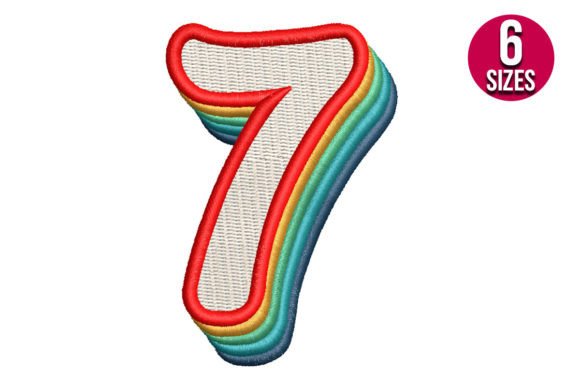
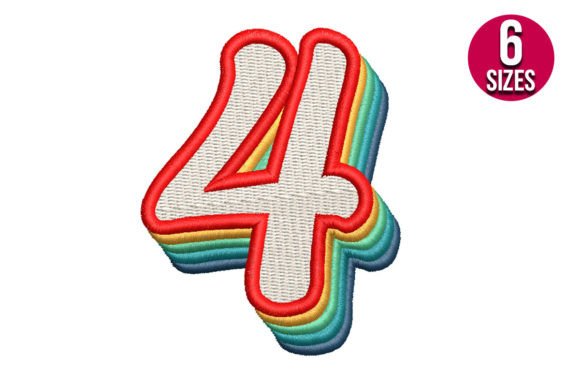
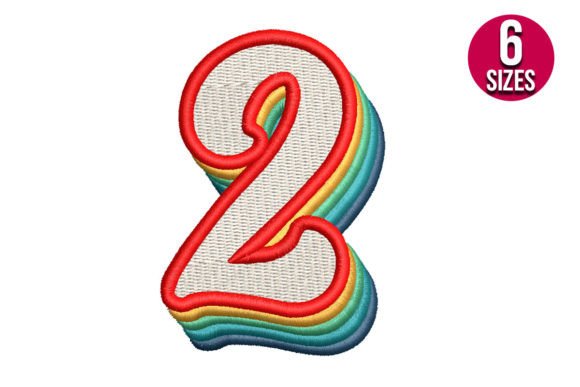
The first impression of Retro Number Two is undeniably nostalgic. The style leans heavily into a cute, retro aesthetic that feels both modern and vintage simultaneously. For those of us running small businesses, finding designs that bridge this gap is crucial. It does not scream "generic"; instead, it offers a personality that resonates with customers looking for personalized, meaningful gifts. When I visualized this on a booth table, I immediately saw its potential as a focal point for second birthday celebrations, a milestone that parents love to commemorate with high-quality keepsakes.
Visual Appeal and Product Versatility
The true test of any embroidery file is its versatility. Does it work on a dark denim tote, or does it get lost? In my assessment, Retro Number Two shines brightest when used as a central motif rather than a tiny accent. The bold lines and retro styling ensure it remains legible from a distance, which is vital for attracting attention at a busy weekend market.
I imagined placing this design on several key items. First, consider the tote bag design potential. A canvas tote with this number stitched in contrasting thread colors creates an instant bestseller. Parents love reusable bags for carrying party supplies, and the retro vibe fits perfectly with current trends in sustainable parenting products. Similarly, apron embroidery offers a fantastic avenue. Imagine a child-sized apron for a second birthday photoshoot or a matching set for a parent and toddler. The design’s simplicity allows it to sit comfortably on the bib area without overwhelming the garment.
Kitchen textiles are another strong category. Tea towel embroidery is a low-cost, high-margin item for craft fairs. Because towels often have a textured weave, I noted that the stitch structure of Retro Number Two needs to be robust enough to stand out against the fabric texture. If the design relies too heavily on fine details, it might sink into the loops of a waffle-weave towel. However, given its retro block-style appearance, it likely holds up well, providing a crisp, clean look that photographs beautifully for online listings.
Practical Production and Batch Selling
For the serious Etsy seller or boutique maker, production efficiency is key. You need designs that are repeatable and reliable. Retro Number Two appears to be structured for consistency. When preparing for a craft fair, I always look for designs that do not require excessive trimming or complex layering. This pattern seems to offer a straightforward path to a polished finished product.
One major advantage here is the adaptability for different hoop sizes. While I would need to check the specific dimensions provided in the digital embroidery file, retro numbers typically scale well. This means you could produce small embroidered patch versions for iron-on applications or larger versions for pillow covers. Patches are particularly lucrative at markets because they allow customers to customize their own jackets or bags later, adding value to your booth offerings.
However, practical selling points go beyond just stitching. How does it look in photos? A design like this, with its clear shapes and likely vibrant thread color options, creates high-contrast images. This is essential for your printable mockup galleries and social media posts. A blurry or overly complex design fails to stop the scroll, but a bold retro number grabs attention instantly, driving engagement and potential sales.
Careful-Use Notes and Technical Considerations
While Retro Number Two shows great promise, no design is without its technical nuances. As a designer, I must advise caution regarding stitch density. Retro fonts can sometimes be dense, especially if the digitizer filled in large areas to create a solid look. High density on thin fabrics like lightweight cotton or silk can cause puckering. Therefore, choosing the right stabilizer is non-negotiable. I recommend a cut-away stabilizer for garments that will be washed frequently, such as t-shirts and tote bags, to maintain the integrity of the stitch work over time.
Another consideration is the surface you are stitching on. Curved surfaces, like baseball caps, present a challenge. If you plan to offer cap embroidery, ensure you are using a cap frame and testing the design on scrap fabric first. The curvature can distort the number, making the "2" look uneven. Additionally, when working with dark fabrics, you must consider thread contrast. A pastel retro number will vanish on navy blue. You may need to adjust your thread palette or use an underlay stitch strategy to ensure the design pops.
Tiny details are also a risk. If the retro style includes small decorative elements within the number, these may not translate well at smaller sizes. Always verify the minimum recommended size in the design assets. If the description mentions multiple file formats, take advantage of them. Use the smaller hoop files for patches and the larger ones for pillows to avoid resizing issues that can compromise stitch quality.
Enhancing Brand Consistency and Buyer Engagement
Incorporating Retro Number Two into your lineup can significantly boost your brand’s visual appeal. It signals to customers that you understand current design trends while offering timeless personalization. For a small shop product line, consistency is key. If your brand leans towards handmade, rustic, or modern farmhouse aesthetics, this design fits seamlessly. It adds a touch of whimsy without sacrificing elegance.
From a buyer engagement perspective, personalized items create an emotional connection. A customer isn't just buying a towel; they are buying a memory of their child’s second birthday. By offering this design on various items, you increase the perceived value of your booth. You become a one-stop-shop for birthday gifts. This encourages higher average order values, as customers might buy a tote, a patch, and a pillow cover in a single transaction.
Final Designer Recommendations
Before you launch this as a primary commercial embroidery product, follow these steps. First, always test the design on scrap fabric that matches your intended final product. Check the thread tension and inspect the back of the hoop for loose threads. Second, compare fabric colors. Create a physical swatch book showing how the design looks on white, cream, navy, and pastel fabrics. This helps you guide customers in-store and online.
Third, confirm the licensing terms. The description notes it comes with multiple file formats, which is excellent for compatibility, but ensure you have the rights for commercial use if you are selling finished goods. Most designers offer this, but it is vital to be certain. Finally, create at least one real-life mockup. Photograph the stitched item in natural light. Use this image in your marketing to show the true texture and quality of the embroidery.
In conclusion, Retro Number Two is a strong contender for your Birthdays category. It balances cuteness with professionalism, making it ideal for both Embroidery novices and seasoned pros. With careful attention to stabilizer choice and fabric selection, this design can become a reliable revenue stream for your handmade business. It is not just a number; it is a tool for creating lovely, personalized gifts that friends and family will cherish.