Retro Number Seven: A Designer’s Review for Personalized Gifts
As an embroidery designer who spends countless hours testing files before they ever touch a customer’s fabric, I have learned that not all designs are created equal. Some are too dense, others lack charm, and many simply do not translate well from screen to stitch. Recently, I loaded the Retro Number Seven into my software to see if it truly deserves a spot in my shop’s lineup of personalized gift products. My goal was simple: determine if this design could elevate a standard item into a cherished keepsake for birthdays and special occasions.
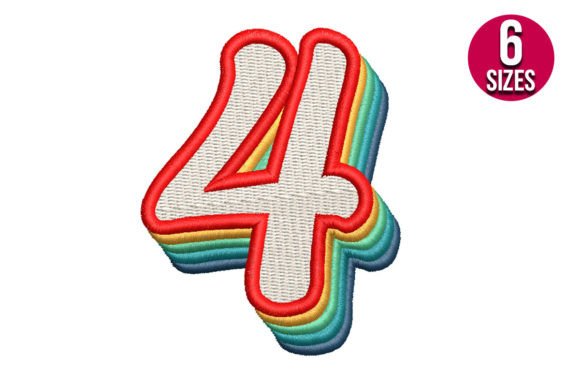
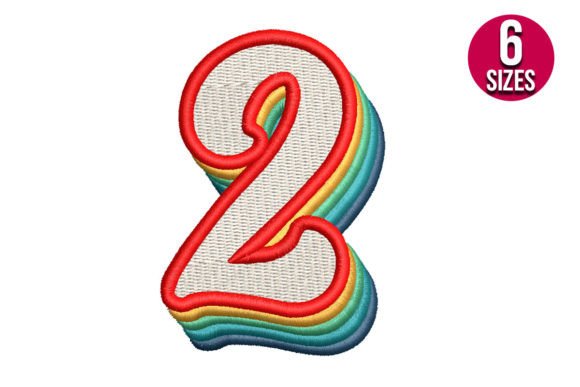
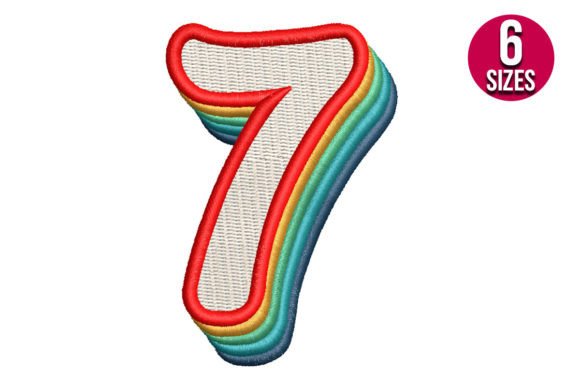
The first impression of Retro Number Seven is undeniably charming. It captures a nostalgic, mid-century aesthetic that feels both playful and sophisticated. Unlike stark, modern fonts that can feel cold, this design has a warmth to it. The curves are soft, suggesting a handmade quality that resonates deeply with buyers looking for something unique. For an Etsy seller or small business owner, this emotional connection is vital. When a customer sees this number, they do not just see a digit; they see a celebration of age, memory, and milestone moments.
Why This Design Works for Birthdays and Milestones
The product description promises that this retro number will brighten birthday parties, and after reviewing the lines and flow, I agree. The design is versatile enough to serve as the centerpiece for various personalized gift items. I immediately envisioned it stitched onto a plush baby blanket for a seventh birthday or perhaps as part of a set for a child turning seven. However, its appeal is not limited to children. The retro vibe appeals strongly to adults celebrating milestone birthdays, such as a 70th, where nostalgia plays a significant role in the party theme.
For those creating baby embroidery items, the softness of the lines is a major advantage. Harsh, angular designs can sometimes look aggressive on delicate nursery items, but Retro Number Seven maintains a gentle presence. It would look adorable on a nursery door hanger, a growth chart, or a custom tote bag for daycare. The design feels sweet and inviting, which is exactly what parents look for when commissioning custom embroidery for their little ones.
Versatility Across Home Decor and Apparel
Beyond birthdays, I tested how this machine embroidery design would perform on home decor pieces. I believe it has strong potential for kitchen textiles. Imagine an embroidered towel monogrammed with this number for a family that loves vintage aesthetics. It could also be stunning on an apron, adding a personalized touch to a home cook’s attire. The key here is the balance of detail. The design is intricate enough to look high-value but not so complex that it becomes a nightmare to stitch on textured fabrics.
For wedding gifts, while numbers are less common than names, this design could be repurposed creatively. Perhaps it represents the day of the month the couple met or married. Stitched onto a pillow cover or a linen table runner, it adds a subtle, meaningful detail. As a wedding gift designer, I appreciate designs that allow for this kind of creative interpretation. It transforms a simple number into a story, enhancing the perceived value of the handmade product.
Technical Considerations for Embroidery Makers
While the aesthetic appeal is high, practical application requires careful planning. Before running this digital embroidery file on a final product, there are several technical factors to consider. First, always check the recommended hoop size. Since the description mentions use on banners and clothes, ensure your hoop accommodates the design without excessive re-hooping, which can lead to misalignment.
Stitch density is another critical factor. Retro styles often utilize satin stitches or dense fill areas to create bold lines. If you are stitching on stretchy baby clothes or thin fabrics, you must use the proper stabilizer. A cut-away stabilizer might be necessary for garments that will undergo frequent washing, ensuring the design does not pucker or distort over time. For towels, which have a looped fabric texture, a topping stabilizer is essential to keep the stitches sitting on top of the loops rather than sinking in.
I also advise checking thread colors carefully. The retro look relies heavily on color contrast. A muted mustard yellow or teal might capture the vintage mood better than primary colors. Always run a test on scrap fabric similar to your final material. Check how the small details hold up after washing. If the design includes fine lines, ensure they do not break or fray easily. This step is crucial for maintaining customer trust and ensuring your finished product meets professional standards.
Navigating Fabric and Surface Challenges
One area where Retro Number Seven requires caution is on dark fabrics. Depending on the stitch type, light-colored threads on dark backgrounds may require an underlay to prevent the fabric from showing through. Without proper underlay, the design can look sparse and unprofessional. Additionally, curved surfaces like baseball caps or rounded pillow edges can distort the shape of the number. If you plan to offer this on such items, practice your hooping technique extensively to ensure the number remains symmetrical.
For blanket embroidery, thickness is a concern. Thick minky or fleece fabrics can cause registration issues if the machine tension is not adjusted. I recommend slowing down the machine speed and using a heavier needle to penetrate the layers smoothly. These small adjustments make a significant difference in the final quality of your small shop product.
Boosting Sales with Strong Visuals
From a marketing perspective, Retro Number Seven is a photographer’s dream. Its distinct style stands out in online listings. When creating your printable mockup or taking photos for your Etsy store, focus on lifestyle shots. Show the design in context: a child holding a teddy bear with the number embroidered on their shirt, or a kitchen scene with the embroidered towel hanging nearby. These images help buyers visualize the commercial embroidery piece in their own lives, increasing buyer engagement.
The perceived value of this design is high because it feels bespoke. In a market saturated with generic fonts, a retro-style number offers a unique selling point. It signals to the customer that you care about design trends and quality. This builds trust and encourages repeat business. For digital product sellers, offering this as part of a bundle with other numbers or letters could increase average order value.
Final Thoughts for Crafters and Sellers
In conclusion, Retro Number Seven is a strong contender for any embroidery business focused on personalized gifts. Its charm, versatility, and nostalgic appeal make it suitable for a wide range of applications, from Birthdays to home decor. However, success lies in the execution. By paying attention to stabilizer choices, thread contrasts, and fabric textures, you can ensure that every stitch reflects the high quality your customers expect.
Before adding this to your inventory, verify the commercial licensing terms provided with the embroidery file. Ensure you have the right to sell finished products made with this design. Once cleared, I highly recommend giving it a test run. You may find, as I did, that this little number has the power to turn a simple piece of fabric into a treasured memory. Whether you are a seasoned Etsy seller or a hobbyist looking to refine your skills, this design offers a delightful blend of challenge and reward, perfect for creating meaningful, lasting gifts.