Mini Hearts: A Designer’s Review for Craft Fair Success
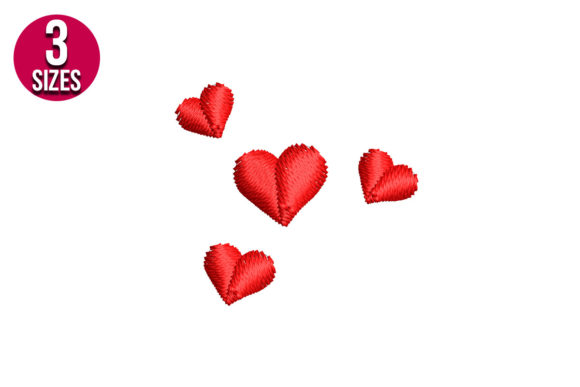
As an embroidery designer who has spent countless hours behind the hoop and even more time standing behind a booth table at local markets, I have learned that not all designs are created equal. Some look stunning on a screen but vanish in person. Others are so complex they take hours to stitch, eating into your profit margins. Today, I am reviewing Mini Hearts, a machine embroidery design that promises to fill your creations with love and cuteness. My goal is to evaluate whether this adorable embroidery truly delivers value for craft fair sellers, Etsy shop owners, and handmade product creators looking to capitalize on the Valentine S Day season.
First Impressions: The Power of Subtle Romance
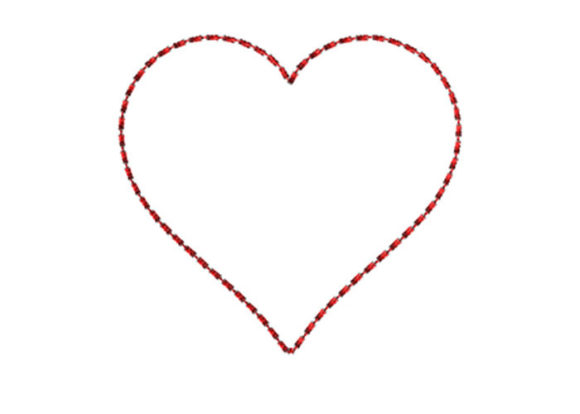
When I first loaded the digital embroidery file into my software, my immediate impression was one of versatility. The title suggests something small and sweet, and the description confirms it is designed to create romantic gifts. In the world of commercial embroidery, "cute" is a powerful sales driver, but it must be balanced with professionalism. Mini Hearts feels less like a loud, festive banner and more like a soft, decorative accent. It leans towards a modern, minimal aesthetic rather than a rustic or farmhouse vibe, which is excellent news for boutique makers targeting a younger, trend-conscious demographic.
The visual appeal here lies in its simplicity. For a weekend craft fair booth, you need items that communicate their value instantly. A design that is too busy can overwhelm the eye, especially when displayed among dozens of other products. Mini Hearts offers a clean look that allows the quality of your stitching and the texture of your fabric to shine. It feels premium because it does not try too hard. This subtlety is crucial for creating high-perceived value in a small shop product.
Product Application: Where Mini Hearts Shines
To determine the best use for this design, I mentally placed it on various blank canvases typical of a maker’s inventory. Here is how Mini Hearts performs across different categories:
- Tote Bag Design: This is arguably the strongest application. A cluster of mini hearts on a canvas tote creates an instant bestseller. It is large enough to be seen from a distance but small enough to remain elegant. It transforms a basic bag into a giftable item without overpowering the utility of the product.
- Apron Embroidery: Placed on the bib or the pocket, these hearts add a touch of whimsy to kitchen wear. It appeals to those looking for charming home goods rather than just functional tools.
- Tea Towel Embroidery: This is a tricky surface due to fabric texture. If the weave is loose, tiny details might get lost. However, if you use a tight-weave linen or cotton, Mini Hearts can serve as a delicate corner accent, perfect for pairing with other kitchen textiles.
- Embroidered Patch: Patches are huge right now. Because the design is compact, it stitches out quickly, allowing for batch production. You can sell these as standalone accessories or iron them onto denim jackets and caps.
- Caps and Beanies: Curved surfaces are challenging. The small scale of Mini Hearts makes it ideal for the front panel of a cap, where larger designs might distort or pucker the fabric.
For Etsy sellers, this design also works beautifully for printable mockup listings. Since the design is recognizable even at smaller scales, your digital thumbnails will remain clear and attractive, driving clicks and engagement.
Production Practicality and Batch Efficiency
From a business perspective, time is money. One of the biggest advantages of Mini Hearts is its potential for repeatability. When preparing for a craft fair, you need to produce inventory in bulk. A design that requires constant thread changes or complex trimming slows you down. While I do not have the exact stitch count or color separation data from the brief, the concept of "mini" elements usually implies lower stitch density and faster run times compared to large, filled motifs.
This efficiency allows you to offer competitive pricing while maintaining healthy margins. Furthermore, because the design is described as coming with multiple embroidery file format options, it should be compatible with most major home and commercial machines. This accessibility is vital for small business owners who may switch between different hoop sizes or machine brands.
However, practical selling points go beyond speed. The design must photograph well. Mini Hearts, with its likely clean lines and open spaces, tends to catch light evenly, reducing shadows in product photography. This makes it easier to create consistent, professional-looking images for your online store or social media marketing.
Careful-Use Notes and Technical Considerations
While Mini Hearts appears to be a low-risk, high-reward design, there are technical pitfalls to avoid. As an experienced designer, I advise paying close attention to the following:
- Fabric Texture: Avoid using this on highly textured towels or fuzzy fleece unless you use a strong cut-away stabilizer. Tiny details can sink into plush fabrics, losing their definition.
- Dark Fabric: If you plan to stitch on black or navy, ensure you have high-contrast thread colors. Pastels may not pop enough against dark backgrounds, making the design look muddy from a distance.
- Stitch Density: Check the density settings in your software. If the hearts are too densely stitched, they may cause puckering on lightweight fabrics like voile or thin cotton. Always test on scrap fabric first.
- Hoop Size: Confirm the recommended hoop size. Trying to squeeze a design meant for a 4x4 hoop into a smaller space can lead to registration errors and distorted shapes.
Additionally, be mindful of any tiny lettering if the design includes text elements. Small fonts can become illegible if the thread thickness is not matched correctly to the stitch size. If Mini Hearts is purely graphical, this is less of a concern, but always inspect the zoomed-in view in your digitizing software before hitting start.
Enhancing Brand Consistency and Buyer Engagement
Using Mini Hearts consistently across your product line can strengthen your brand identity. Imagine a booth display where tote bags, pillow covers, and pouches all feature the same heart motif in varying colorways. This cohesion signals professionalism and thoughtfulness to buyers. It encourages customers to purchase multiple items as a set, increasing your average order value.
For Valentine S Day, this design is a natural fit, but do not limit it to February. Hearts are evergreen symbols of love and friendship. By positioning Mini Hearts as a year-round staple for weddings, anniversaries, and self-care gifts, you extend the lifecycle of your design assets. This approach helps stabilize income during slower seasons.
Final Verdict for the Modern Maker
Before you commit to full-scale production, take the necessary steps to validate the design. Create at least one real mockup on your intended final fabric. Compare how it looks on white versus cream versus pastel backgrounds. Ensure you have the correct stabilizer for each fabric type to prevent shifting or puckering. Most importantly, confirm the commercial licensing terms provided with the digital embroidery file. You must have the right to sell finished products made with this design to protect your business.
In conclusion, Mini Hearts is a strong contender for your next collection. It balances cuteness with sophistication, offering a versatile solution for tote bags, aprons, patches, and more. Its small scale makes it efficient for batch production, while its visual clarity ensures it stands out in both physical booths and online listings. For the embroidery business owner looking to add a touch of romance without sacrificing practicality, this design is worth testing. With careful attention to thread contrast and fabric choice, Mini Hearts can become a reliable staple in your repertoire of craft fair products.