Heart Bean Stitch: A Designer’s Practical Review
As an embroidery designer who has spent countless hours digitizing and testing files, I approach every new machine embroidery design with a critical eye. It is not just about whether the image looks pretty on a screen; it is about how it behaves under the needle. Recently, I evaluated the Heart Bean Stitch, a charming motif that promises to elevate Valentine S Day projects. After running it through several test hoops on different fabrics, I am ready to share my honest assessment of its performance, aesthetic value, and commercial potential for crafters and small business owners.
First Impressions and Visual Personality
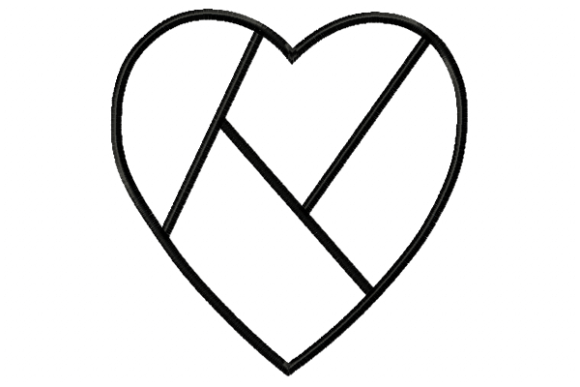
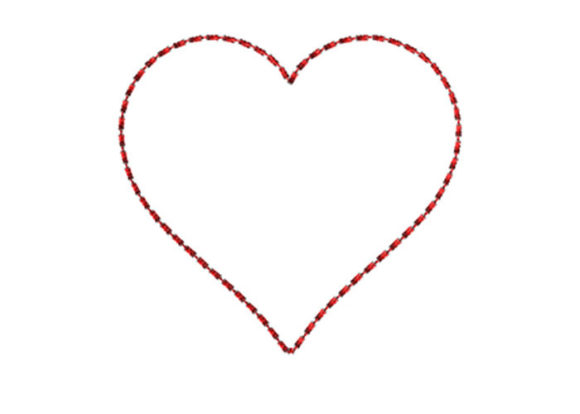
The first thing that strikes you about the Heart Bean Stitch is its softness. Unlike rigid geometric hearts that can feel cold or overly digital, this design utilizes a bean stitch technique that creates a textured, organic outline. The mood it creates is warm, inviting, and distinctly handmade. For those of us in the industry, we know that texture sells. A flat satin stitch can sometimes look cheap if the tension is off, but the bean stitch adds a layer of visual interest that forgives minor imperfections and adds depth to the finished product.
The layout is balanced, making it versatile for various applications. It does not scream for attention with excessive density; instead, it whispers elegance. This subtlety makes it an excellent choice for modern embroidery trends that favor minimalism over maximalism. Whether you are creating a subtle accent on a cuff or a central feature on a tote, the design holds its own without overwhelming the fabric.
Real-World Application: The Tote Bag Test
To truly understand the utility of this design, I applied it to a real-life scenario: preparing a custom embroidered tote bag for a local boutique client. The goal was to create a line of reusable bags that felt special enough for gifting but durable enough for daily use. I chose a heavy canvas fabric, which is notorious for eating up needles if the design is too dense.
The Heart Bean Stitch performed admirably here. Because the bean stitch essentially runs three stitches forward and two back, it creates a strong, rope-like line that sits well on textured surfaces. On the canvas, the design did not sink in or get lost. The color chart included with the file helped me select a contrasting thread color that popped against the natural beige of the cotton. The result was a clean, professional look that elevated the perceived value of the handmade product. Customers are more likely to trust the quality of your work when the stitching looks deliberate and crisp, and this design delivers that professionalism.
Versatility Across Product Lines
Beyond tote bags, I see significant potential for this design in custom apparel. Imagine this heart stitched subtly on the left chest of a high-quality sweatshirt. The sweatshirt embroidery market is huge, especially leading up to holidays. The bean stitch works well on fleece because it does not create a heavy, stiff patch that irritates the skin. It remains flexible, moving with the garment.
For baby embroidery, this design is a standout. Parents often worry about scratchy tags or stiff appliqués on sensitive skin. The smooth finish of the bean stitch, when paired with soft rayon or polyester threads, creates a gentle touch. It is perfect for onesies, burp cloths, or nursery decor. Furthermore, as an Etsy seller, you can leverage this versatility. You can offer the same design on multiple products—pillow covers, tea towels, and caps—creating a cohesive brand aesthetic without needing to digitize new files for each item.
Considerations for Challenging Fabrics
While the design is robust, there are areas where caution is necessary. When working with stretchy fabric like jersey knits for t-shirts, the stability of the stitch becomes crucial. The bean stitch has some inherent give, but you must use the correct stabilizer. I recommend a cut-away stabilizer for garments that will be washed frequently to prevent puckering. On thin fabrics, such as silk or lightweight rayon, ensure your tension is perfectly balanced. The design includes multiple embroidery formats, but always check the stitch density relative to your specific machine’s capabilities.
Curved surfaces, such as caps or hats, require careful hooping. The heart shape is symmetrical, which helps, but you must ensure the design is centered perfectly. Any deviation is noticeable on a curved brim. I advise doing a test run on a scrap piece of similar material before committing to the final embroidered patch or cap front.
Commercial Value and Brand Consistency
For creative entrepreneurs, the visual appeal of a design directly impacts buyer engagement. The Heart Bean Stitch offers a level of sophistication that generic clipart lacks. When customers see a well-executed bean stitch, they recognize the effort and skill involved. This builds trust and justifies a higher price point for your small shop product.
Moreover, consistency is key in branding. If you are building a line of holiday embroidery items, having a signature style helps customers recognize your work. This design fits seamlessly into a romantic, rustic, or modern minimalist brand identity. It serves as a strong design asset that can be combined with text or other elements to create unique compositions. For instance, pairing this heart with a simple sans-serif font creates a contemporary look that appeals to a younger demographic.
Practical Designer Notes for Best Results
Before you launch this design into your production workflow, consider these practical steps to ensure success:
- Test on Scrap Fabric: Always run the design on the exact fabric you plan to use. Thread tension and fabric texture can vary wildly between batches.
- Check Thread Contrast: The bean stitch relies on visibility. Ensure your thread color contrasts sufficiently with the fabric, especially for dark fabric backgrounds where definition can be lost.
- Review Stitch Density: While the bean stitch is generally lighter than a full satin fill, check the density settings in your software if you plan to resize the design significantly.
- Confirm Hoop Size: Ensure the design fits comfortably within your hoop with adequate margin for stabilization. Do not crowd the edges.
- Inspect Small Details: Zoom in on the digital preview. Look for any potential jump stitches or tight turns that might cause thread breaks.
- Mockup Testing: Create printable mockup images in both black and white to see how the design reads without color distraction. This helps in assessing shape clarity.
- Licensing Verification: Since this is a digital embroidery file, confirm the license terms. Most designers allow selling finished physical items, but restrictions may apply to sharing the file itself. Always clarify before selling commercial embroidery products.
Final Verdict
The Heart Bean Stitch is a reliable, aesthetically pleasing addition to any designer’s library. It bridges the gap between traditional craftsmanship and modern digital convenience. For Valentine S Day collections, it offers a fresh alternative to the ubiquitous red satin hearts. Its adaptability across various textiles, from sturdy canvas to soft baby knits, makes it a versatile tool for craft business owners looking to expand their product lines.
By paying attention to stabilizer choice, thread quality, and fabric preparation, you can maximize the potential of this design. It is not just a pattern; it is a component of your brand’s story. Use it wisely, test it thoroughly, and let the quality of your stitching speak for itself. Whether you are creating a personalized gift for a loved one or stocking your online store with custom apparel, this design provides the professional finish that customers crave.