Cross Stitch Basic Rose: A Designer’s Review
As a designer who spends more time analyzing stitch paths than I do sleeping, I have developed a healthy skepticism for designs that promise "hand-embroidered" looks through machine automation. We have all seen the failures: dense, plastic-looking blobs of thread that claim to be rustic but end up looking industrial. That is why I approached Cross Stitch Basic Rose with a critical eye. I wanted to see if this design could truly bridge the gap between the nostalgic charm of traditional needlework and the efficiency required for modern commercial embroidery.
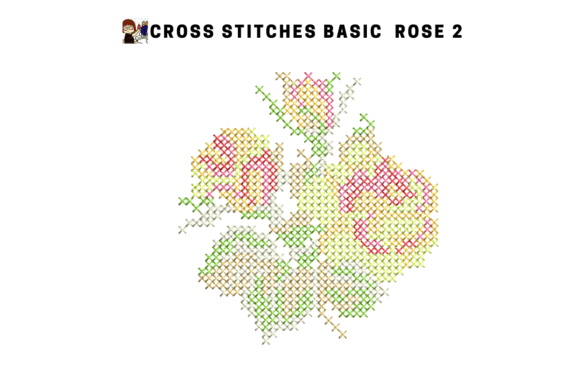
The first impression is surprisingly grounded. The layout does not scream for attention with excessive complexity; instead, it relies on the inherent beauty of the rose form. For those of us working in the Bouquets category, finding a floral element that feels organic rather than geometric is a constant challenge. This design manages to capture the soft, layered petal structure of a rose while maintaining the grid-like integrity of cross-stitch. It creates a mood that is warm, inviting, and distinctly handmade, which is exactly the aesthetic many of my clients are chasing right now.
Real-World Application: The Tote Bag Test
To truly evaluate an embroidery file, you cannot just look at it on a screen. You have to imagine it on fabric. I recently worked on a project for a local boutique owner who needed a signature item for her spring collection. She wanted a canvas tote bag that felt artisanal but could be produced in batches. This is where Cross Stitch Basic Rose shines as a practical asset.
I loaded the design onto a medium-weight cotton canvas. The result was immediate clarity. Because the design mimics cross-stitch, it avoids the high sheen often associated with satin stitches. Instead, it offers a matte, textured finish that blends beautifully with natural fibers. For an Etsy seller or small shop product creator, this distinction is vital. Customers are increasingly savvy; they can tell the difference between a generic digitized flower and something that respects the texture of the material. This rose feels like a personalized gift even when produced in small batches, adding perceived value to the finished product.
Versatility Across Product Lines
One of the strongest aspects of this design is its adaptability. While I tested it on a tote, I can easily envision it working across a wide spectrum of custom apparel and home goods. Here is how I see it performing in different scenarios:
- Sweatshirt Embroidery: Placed on the left chest of a heather grey crewneck, the rose provides a subtle pop of color without overwhelming the garment. It works particularly well because the cross-stitch style does not add excessive bulk, keeping the sweatshirt comfortable.
- Baby Embroidery: For nursery decor or baby clothes, the soft edges of the rose are appealing. However, one must be mindful of stitch density. Always ensure the backing is secure to prevent irritation against sensitive skin.
- Holiday Embroidery: This design is not limited to spring. By adjusting thread colors to deep reds and greens, it becomes a perfect accent for Christmas kitchen towels or winter pillow covers.
- Embroidered Patch: If you are creating iron-on patches, this design holds up well. The defined edges of the cross-stitch pattern make it easy to cut and finish cleanly.
Technical Considerations and Fabric Choice
While the aesthetic is strong, a professional reviewer must address the technical realities. This design is intentionally styled to look like hand embroidery, which means it likely utilizes a combination of running stitches and short satin fills to mimic individual crosses. This has implications for your choice of fabric texture and stabilizer.
On thin or stretchy fabrics, such as jersey knits or lightweight silks, you must be cautious. The grid nature of cross-stitch requires stability. If the fabric shifts even slightly during stitching, the "pixels" of the rose will misalign, ruining the illusion. I strongly recommend using a cut-away stabilizer for garments that will be washed frequently, and a tear-away for stable woven items like aprons or tea towels. Always test the design on scrap fabric first. Check how the thread colors interact with the background. A high-contrast combination, such as white thread on navy blue, will highlight the stitch definition, while low-contrast combinations may cause the details to blur.
Another critical factor is hoop size. Since the product description notes that the design comes with multiple sizes, you must select the appropriate scale for your project. Do not attempt to shrink this design below its intended minimum size. Tiny details in cross-stitch patterns can become indistinguishable knots if scaled down too far. Conversely, blowing it up too large may expose the individual stitch paths, breaking the visual continuity. Find the sweet spot where the rose looks full but remains crisp.
Commercial Value and Brand Consistency
For craft business owners and digital product sellers, consistency is key. Using a design like Cross Stitch Basic Rose helps build a cohesive brand identity. It signals to your customers that you value tradition and quality. When used in printable mockups or online listings, the design photographs exceptionally well because of its textured appearance. It catches the light differently than standard fills, adding depth to your product photos.
However, before you list this as part of your commercial embroidery offerings, you must verify the licensing terms. The description states it is a machine embroidery design, but it does not specify the exact license type. Always confirm whether you are allowed to sell finished items or if the license is for personal use only. This step is non-negotiable for professional design assets.
Final Verdict for Makers and Designers
In a market saturated with generic floral motifs, Cross Stitch Basic Rose offers a refreshing return to simplicity. It is not trying to be everything to everyone. It is a focused, well-executed representation of a classic flower, tailored for those who appreciate the look of hand-stitched work without the hours of manual labor.
Whether you are decorating a tote bag design for a farmer's market stall, adding a touch of elegance to a wedding gift, or creating a line of custom apparel for your online store, this design delivers. It requires thoughtful execution—proper stabilization, careful color selection, and appropriate scaling—but the payoff is a handmade product that feels authentic and cherished. For any embroidery project where warmth and tradition are the goals, this rose is a reliable and beautiful choice.