Cottagecore Toadstools: A Designer’s Review
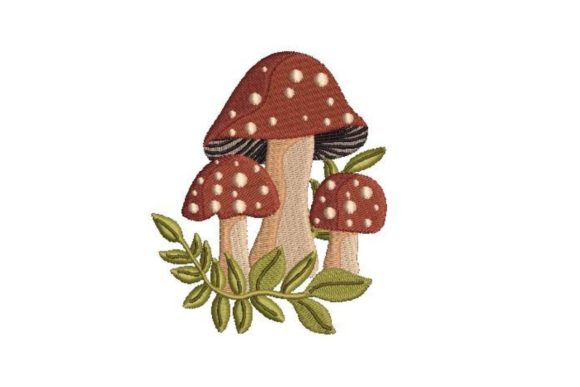
As an embroidery designer who spends countless hours digitizing and testing files, I am always on the lookout for designs that balance aesthetic charm with technical reliability. Recently, I came across Cottagecore Toadstools on Creative Fabrica, and it immediately caught my eye. The description promises adorable, vintage-style toadstools perfect for countryside cabin decorations, but I needed to know if this machine embroidery design holds up under the scrutiny of real-world production. For those of us running small businesses, selling on Etsy, or creating custom apparel, a pretty preview image is not enough. We need to know how the file behaves in the hoop.
First Impressions and Visual Mood
The immediate appeal of Cottagecore Toadstools lies in its nostalgic atmosphere. It fits squarely into the popular cottagecore trend, evoking feelings of woodland whimsy and rustic comfort. Visually, the design leans into a vintage style, which suggests a softer, perhaps slightly imperfect charm rather than rigid, hyper-realistic precision. This is a significant advantage for handmade products, as it aligns perfectly with the organic feel customers often seek in artisan goods.
From a decorative standpoint, these toadstools are versatile. They do not scream for attention with neon brightness but rather invite a closer look. For embroidery designers, this means the design can serve as a subtle accent on a larger project or stand alone as a focal point on smaller items like pocket patches or baby onesies. The mood is gentle and inviting, making it an excellent candidate for nursery decor, kitchen textiles, and personalized gifts that aim to convey warmth and care.
Performance in Real Embroidery Projects
When considering Cottagecore Toadstools for commercial embroidery or personal use, versatility is key. I evaluated how this design might perform across various common substrates and product types.
- Custom Apparel and Sweatshirts: The vintage aesthetic pairs beautifully with natural fibers like cotton or linen blends. On a cream-colored sweatshirt, the toadstools would create a cozy, autumnal look. However, when working with stretchy fabrics, proper stabilization is non-negotiable to prevent puckering around the stitch areas.
- Tote Bags and Aprons: Canvas tote bags and kitchen aprons are sturdy candidates for this embroidery file. The design’s likely mix of fill stitches for the caps and running stitch or satin stitch for details should hold up well to the texture of canvas. This makes it a strong contender for boutique merchandise or craft fair products.
- Nursery Decor and Baby Items: For baby blankets or pillow covers, the soft, whimsical nature of the toadstools is ideal. However, one must be cautious with thread choices. Soft pastels or earth tones work best here, avoiding harsh contrasts that might clash with the gentle vibe of the design.
- Embroidered Patches and Caps: If the design scales down well, it could make a charming embroidered patch. Applying it to a curved cap surface requires careful hooping and possibly a lighter stitch density to avoid distortion. Always check the minimum recommended size before attempting small-scale applications.
Technical Considerations for Stitching Success
While the visual appeal is high, the technical execution determines whether a finished product looks professional or amateur. Here are the critical factors I consider when reviewing a new digital embroidery file like Cottagecore Toadstools.
Stitch Density and Fabric Choice
Vintage-style designs often utilize a combination of satin stitch for outlines and fill stitch for broader areas. If the stitch density is too high, it can cause stiffening on lightweight fabrics like voile or thin cotton. I recommend testing the design on a scrap piece of your intended fabric first. For darker fabrics, ensure the underlay is sufficient to prevent the background color from showing through the lighter threads of the toadstool caps.
Thread Color Contrast
The charm of this design relies heavily on color placement. Traditional red and white toadstools are classic, but exploring muted greens, browns, and creams can enhance the vintage feel. When creating a printable mockup or planning your thread colors, consider how they interact. High contrast can make the design pop, while low contrast creates a subtle, tonal effect suitable for sophisticated home decor.
Hoop Size and Placement
Before purchasing, it is vital to confirm the hoop size compatibility listed on the Creative Fabrica product page. Does the design fit a 4x4 inch hoop for small projects, or does it require a 5x7 or larger frame? Misjudging hoop size can lead to truncated designs or unnecessary re-digitizing. Additionally, consider the placement on the final product. A centered chest placement on a tee differs significantly from a corner placement on a kitchen towel.
Stabilizer Selection
Given the potential for varied stitch types, using the correct stabilizer is crucial. A cut-away stabilizer is generally safer for garments that will undergo frequent washing, ensuring the design remains stable over time. For woven items like tote bags or pillow covers, a tear-away might suffice, but always test for residual stiffness.
Enhancing Product Value and Brand Consistency
For Etsy sellers and creative entrepreneurs, the choice of design assets directly impacts brand perception. Cottagecore Toadstools offers a cohesive look that can help build a recognizable brand identity centered around nature, nostalgia, and handmade quality. When used consistently across a product line—such as matching tote bags, aprons, and pillow covers—it creates a compelling visual narrative for customers.
High-quality presentation is equally important. When photographing your finished product, ensure the lighting highlights the texture of the stitches. The interplay of light on satin stitches versus the matte finish of fill stitches can add depth to your product photography, increasing customer engagement and trust. A well-executed embroidered item signals attention to detail, justifying higher price points and fostering buyer loyalty.
Practical Steps Before You Stitch
To ensure the best results with Cottagecore Toadstools, follow these practical steps before committing to a final product:
- Verify File Details: Check the Creative Fabrica product page for included formats (PES, DST, JEF, etc.) to ensure compatibility with your specific embroidery machine.
- Review Licensing Terms: Understand the license agreement. Most Creative Fabrica embroidery designs allow for commercial use of finished physical products, but restrictions may apply to digital resale or mass production limits.
- Run a Test Stitch: Always stitch out the design on a similar fabric scrap. Check for thread breaks, nesting, or registration issues between color stops.
- Inspect Small Details: Look closely at the edges of the toadstools. Are the satin stitches smooth? Is there any gaping? Adjust tension settings if necessary.
- Consider Washability: If creating items for children or kitchen use, ensure the threads and fabric are colorfast and durable. Pre-wash fabrics to account for shrinkage before embroidering.
In conclusion, Cottagecore Toadstools presents a promising option for designers looking to add a touch of vintage woodland charm to their repertoire. Its suitability for a wide range of applications, from custom apparel to home decor, makes it a versatile addition to your library of design assets. By paying attention to technical details like stabilizer choice, thread contrast, and hoop size, you can transform this digital embroidery file into a high-value handmade product that resonates with customers seeking authenticity and warmth. As with any new design, thorough testing is the bridge between a good idea and a great finished product.