Clapping Hands: A Craft Fair Seller’s Review
As an embroidery designer who has spent countless weekends behind a booth table, I have learned that not every pretty design translates into a best-seller. When I first loaded the Clapping Hands machine embroidery design onto my hoop, I was looking for more than just aesthetic appeal. I was looking for marketability. In the crowded world of handmade products, especially at craft fairs and online marketplaces, a design needs to communicate instantly. It needs to stop the scroll on Instagram and halt the shuffle of feet walking past a vendor table.
This review is written from the perspective of a producer, not just a hobbyist. I am evaluating Clapping Hands based on its potential as a craft fair product, its versatility across different textiles, and its practicality for batch production. If you are an Etsy seller, a boutique maker, or a creative entrepreneur looking to expand your small shop product line, this breakdown will help you decide if this inspirational embroidery asset belongs in your digital library.
First Impressions: The Mood and Market Fit
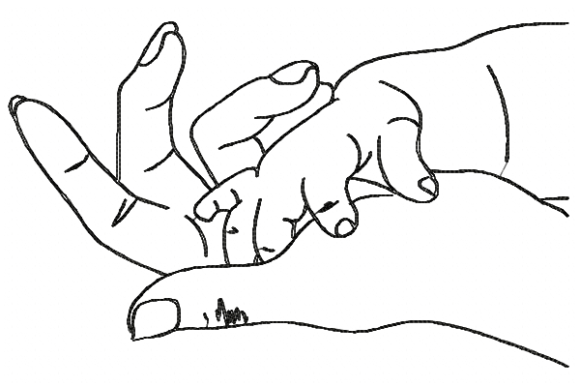
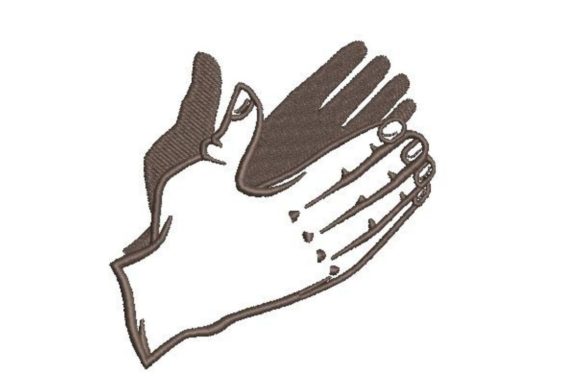
The product description labels Clapping Hands as a "very sweet design" that adds a "fresh touch." From a designer’s point of view, this suggests a motif that is likely clean, approachable, and universally positive. In the current market, positivity sells. Whether it is interpreted as applause, celebration, or simple encouragement, the imagery of clapping hands carries an inherent emotional weight. It feels modern yet timeless, avoiding the trap of being too trendy to last more than a season.
For a craft fair setting, this design fits squarely into the "feel-good" category. It is not overly rustic, nor is it strictly minimalist. It sits in a comfortable middle ground that appeals to a broad demographic. I can imagine it working beautifully on items meant for gifting, where the sentiment is just as important as the craftsmanship. The "inspirational" category tag is well-placed here; it is a design that speaks without shouting, making it perfect for customers who appreciate subtle, meaningful decor.
Product Versatility: Where Clapping Hands Shines
The true test of any digital embroidery file is its adaptability. A design that only looks good on one type of fabric is a liability for a business owner who needs to maximize inventory turnover. Here is how Clapping Hands performs across common handmade items:
- Tote Bag Design: This is arguably the strongest application. A tote bag offers a large, flat canvas. Placing Clapping Hands centrally creates a bold statement piece. It transforms a generic canvas bag into a personalized accessory that screams "support local arts" or "celebrate small wins."
- Apron Embroidery: For kitchen enthusiasts, an apron with this motif adds a layer of warmth. It suggests that cooking is an act of love and celebration. The design works well on the bib or the lower pocket, depending on the scale.
- Tea Towel Embroidery: Kitchen linens are high-volume sellers at markets. However, caution is needed here. Tea towels have a loose weave. If the stitch density is too low, the fabric might pucker. If the details are too tiny, they may get lost in the texture. This design likely works best if scaled appropriately to avoid excessive perforation of the thin fabric.
- Embroidered Patch: Patches are incredible for impulse buys. If Clapping Hands can be scaled down while maintaining clarity, it becomes a versatile add-on item. Customers love buying patches to customize their own jackets or bags later.
- Pillow Covers and Market Bags: These items benefit from the symmetrical nature of hands. The design provides a balanced focal point that draws the eye without overwhelming the surrounding space.
Production Practicality for the Small Shop Owner
When you are producing for a craft fair, time is money. You cannot afford designs that require constant trimming, excessive stabilizer manipulation, or frequent re-hooping due to errors. Clapping Hands appears to be designed for efficiency. The description notes it comes in multiple embroidery file formats, which is crucial for compatibility with various machines, from home-based Brother units to commercial multi-needle setups.
One of the key advantages of this design is its potential for batch production. Because the motif is likely self-contained and not overly complex with thousands of micro-stitches, it should run smoothly. This allows you to set up an assembly line: hoop, stitch, trim, move to the next. For an Etsy seller, this repeatability is essential for maintaining profit margins on small shop products.
Photography is another critical factor. Does the design photograph well? Simple, bold shapes like hands tend to render clearly in photos, even on textured backgrounds. This makes creating a printable mockup for your online listings much easier. You do not need expensive lighting setups to make the design pop; the contrast between the thread colors and the fabric usually does the heavy lifting.
Careful-Use Notes and Technical Considerations
While Clapping Hands is described as sweet and fresh, no design is foolproof. As an experienced designer, I must highlight areas where things can go wrong if you are not careful.
Fabric Texture and Stabilizer: Always test the design on scrap fabric before committing to your final product. If you are using thick fabric like denim or canvas for tote bags, ensure your needle is sharp enough to penetrate without breaking. For textured towels, use a cut-away stabilizer to prevent distortion. The stitch density must be balanced; too dense, and the towel becomes stiff; too light, and the design lacks definition.
Scale and Clarity: If you plan to use this on caps or small pouches, check the minimum viable size. Tiny details in the fingers or wrists might merge together if the design is shrunk too much. Always verify the hoop size requirements. If the design is large, you may need a 5x7 or 6x10 hoop, which limits the types of items you can embroider easily.
Thread Colors: The visual appeal of Clapping Hands will depend heavily on your thread choices. High contrast works for a modern, graphic look. Monochromatic threads on a similar-colored fabric create a subtle, premium feel. Experiment with both to see what fits your brand consistency.
Maximizing Sales and Buyer Engagement
Ultimately, the goal is to create a finished product that engages buyers. Clapping Hands has the potential to be a conversation starter. At a booth, place items with this design at eye level. Use it on items that people pick up and hold, like pouches or towels. The tactile nature of embroidery combined with the friendly imagery encourages interaction.
For digital sellers, if you are selling the design itself rather than the physical item, ensure you clarify commercial licensing terms. Buyers need to know if they can use this digital embroidery file for their own commercial embroidery businesses. Transparency builds trust and reduces customer service issues later.
In conclusion, Clapping Hands is a strong contender for your next collection. It balances emotional resonance with production practicality. By paying attention to fabric texture, stabilizer choice, and scale, you can turn this simple design into a standout craft fair product. Whether you are an experienced Etsy seller or just starting your journey as a handmade shop owner, this inspirational embroidery design offers the flexibility and charm needed to succeed in today’s competitive market.