Jungle Animal Hippopotamus: A Craft Fair Review
As an embroidery designer who has spent countless weekends behind a booth table, I have learned that not every machine embroidery design is created equal when it comes to retail success. Some designs look fantastic on a screen but fall flat in person. Others are so complex they take hours to stitch, eating into your profit margins. Today, I am putting the Jungle Animal Hippopotamus under the microscope. This review is written for fellow craft fair sellers, Etsy shop owners, and handmade entrepreneurs who need to know if this specific design deserves a spot in their next production batch.
First Impressions: The Appeal of Baby Animals
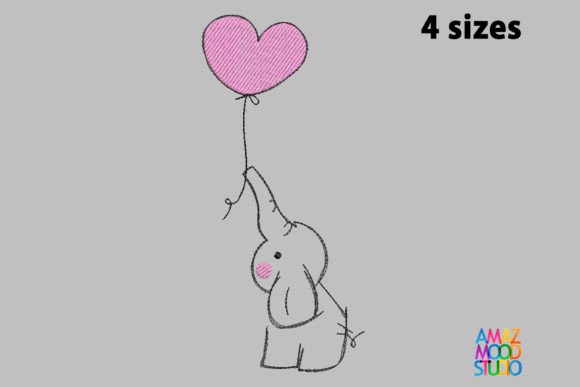
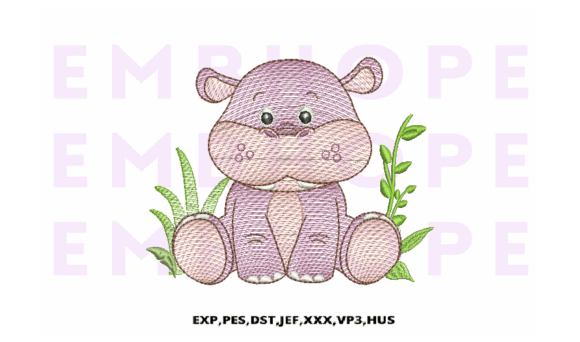
The Jungle Animal Hippopotamus falls squarely into the Baby Animals category, a niche that consistently performs well in the handmade market. When I first viewed the preview, the immediate impression was one of softness and approachability. It does not try to be hyper-realistic or intimidating; instead, it leans into a cute, accent-style aesthetic. For a craft fair environment, this is crucial. Shoppers walking past a booth have seconds to decide whether to stop. A design that exudes warmth and whimsy acts as a visual hook.
This particular hippo design feels decorative and friendly rather than rustic or minimalist. It is the type of imagery that appeals directly to parents, grandparents, and gift-buyers looking for something charming for children’s clothing or nursery decor. The description notes that it adds a "lovely accent," which suggests it is likely balanced in scale—not too overwhelming, but visible enough to make a statement. In the world of Embroidery, finding that sweet spot between detail and simplicity is key to mass appeal.
Product Versatility for the Weekend Market
When preparing my inventory for a weekend craft fair, I always ask: where does this design live best? The Jungle Animal Hippopotamus is versatile, but some applications will yield higher sales than others. Here is how I evaluate its potential across common craft fair product categories:
- Tote Bags and Market Bags: A tote bag design needs to be bold enough to be seen from a few feet away. If this hippo is scaled correctly, it makes an adorable centerpiece on a canvas tote. Parents love reusable bags with cute animal motifs for library trips or grocery runs.
- Apron Embroidery: Children’s aprons are steady sellers. Placing the hippo on the bib area creates an instant emotional connection. It transforms a standard kitchen item into a cherished handmade product.
- Tea Towel Embroidery: Kitchen textiles are impulse buys. However, you must be cautious with fabric texture. If the towel is too plush or looped, the details of the hippo might get lost. A smooth flour sack towel would likely showcase the stitches better.
- Embroidered Patches: If the design holds up at a smaller size, turning it into an iron-on or sew-on patch is a brilliant move. Patches are low-cost, high-margin items that allow customers to customize their own jackets or backpacks.
- Caps and Hats: Curved surfaces are tricky. If the design is wide, it may distort on a cap front. It works best if the hippo is compact and centered, avoiding the side seams.
Production Practicality and Stitch Density
For a small business owner, time is money. A design that looks great but takes four hours to stitch is rarely profitable unless you are charging premium prices. While the exact specifications are not provided in the brief description, we can infer some practical considerations. The term "accent" suggests moderate coverage. However, you must check the stitch density before committing to a large run.
Dense areas can cause puckering, especially on lighter fabrics like those used for baby clothes. If the hippo has large filled areas, using the correct stabilizer is non-negotiable. I recommend testing on scrap fabric first. Check if the design pulls the fabric or if the threads break under tension. For a small shop product, consistency is vital. You want every item to look as professional as the last.
Another critical factor is the hoop size. Ensure the design fits comfortably within your standard hoops without requiring excessive re-hooping, which slows down production. If it requires a large hoop, consider whether you have the machine capacity to run multiple items simultaneously.
Visual Appeal and Customer Attention
In a crowded marketplace, visual clarity drives sales. The Jungle Animal Hippopotamus must be easily understood at a glance. Complex shading or tiny details often disappear from a distance. This design seems to rely on shape and expression rather than intricate detailing, which is a strength for retail. It photographs well for online listings because the silhouette is distinct.
When creating your printable mockup or taking photos for your Etsy store, pay attention to thread colors. A hippo is traditionally gray, but don’t be afraid to experiment. Pastel pinks, blues, or even vibrant jungle greens can make the design pop against neutral fabric backgrounds. High contrast between the thread and the fabric ensures the design stands out in thumbnail images, which is essential for digital browsing.
Careful-Use Notes and Quality Control
The product description includes a crucial disclaimer: "Please note that the quality can not be guarante." This is a standard warning for digital files, reminding us that the final output depends on the user’s machine, thread, and fabric choices. As a professional, you must take responsibility for the quality of your finished product.
Be wary of using this design on dark fabrics unless you are confident in your ability to manage thread coverage. Light-colored threads on dark fabric can look sparse if the density is low. Additionally, avoid placing the design on highly textured materials where small details might sink into the weave. If the design includes any small lettering or fine lines, test it at the smallest intended size to ensure it remains legible and clean.
Commercial Licensing and Final Verdict
Before you list this as a commercial embroidery item, verify the license terms associated with the digital embroidery file. Most designers allow commercial use for physical products, but restrictions may apply to sharing the file itself. Never assume; always read the documentation included with the design assets.
To maximize the potential of the Jungle Animal Hippopotamus, create a cohesive collection. Pair it with other jungle animals if available, or use it as a standalone star on premium items like organic cotton onesies or linen pillow covers. Consistency in your booth display helps build brand recognition. If customers see the same high-quality stitching and charming style across multiple items, they are more likely to trust your brand.
In conclusion, this design offers strong potential for Etsy seller success and craft fair profits, provided you manage the technical aspects of production. It taps into the enduring popularity of cute animal motifs while offering flexibility across various product types. By focusing on fabric choice, stabilizer selection, and strategic placement, you can turn this simple embroidery file into a best-selling staple of your handmade inventory. Test it, tweak it, and watch how it resonates with your audience.