Review: Traditional Indian Border for Handmade Gifts
As an embroidery designer who has spent years digitizing patterns and stitching out thousands of designs, I have developed a keen eye for what makes a digital file truly valuable in a commercial setting. It is not just about the visual appeal on the screen; it is about how that design translates to fabric, how it withstands washing, and ultimately, how it resonates with the person receiving the finished product. Recently, I explored the Traditional Indian Border available on Creative Fabrica, and I was immediately struck by its potential for elevating handmade gifts. This is not merely a decorative element; it is a versatile tool for creators looking to add cultural richness and elegant detail to their personalized products.
First Impressions: Elegance Meets Versatility
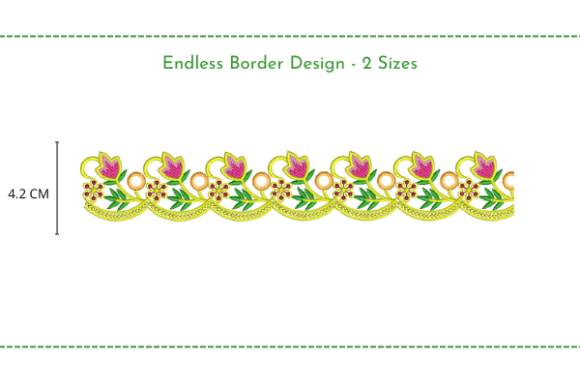
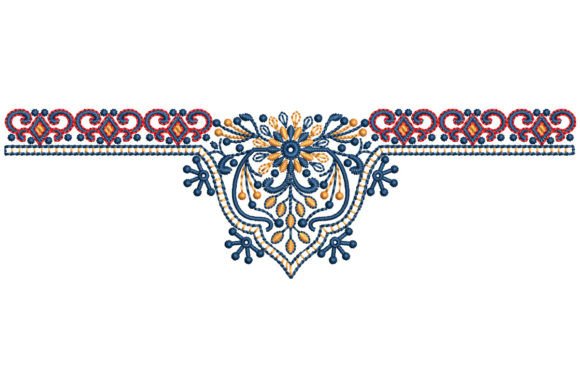
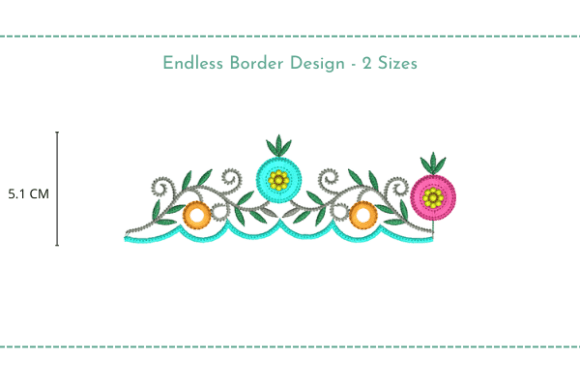
The first thing that catches your eye when viewing the Traditional Indian Border is its intricate yet balanced aesthetic. In the world of machine embroidery, borders can often feel too heavy or overly complex, leading to stitching issues on lighter fabrics. However, this design strikes a wonderful harmony. It exudes a sense of classic elegance, making it suitable for a wide range of projects from women’s fashion clothes to sophisticated home decor items. The visual softness of the pattern suggests a handmade charm that feels both romantic and cozy, perfect for creating emotional connections with customers.
For Etsy sellers and small business owners, the emotional appeal of a design is crucial. This border does not scream for attention; rather, it invites closer inspection. It feels sweet and refined, which is exactly what you want when creating high-value items like wedding gifts or heirloom-quality baby blankets. The level of detail suggests a premium product, allowing you to position your handmade product as a luxury item rather than a generic craft fair find.
Ideal Projects for the Modern Crafter
The product description highlights its suitability for table cloths, cushion covers, and bedsheets, but my experience tells me the applications are far broader. Here is how I envision using this machine embroidery design in real-world scenarios:
- Wedding Gifts: Imagine this border stitched along the hem of high-quality linen napkins or a ceremonial towel. It adds a touch of tradition and sophistication that pairs beautifully with minimalist modern weddings.
- Nursery Decor: For baby embroidery, this border can frame a blanket or a crib sheet. The intricate patterns provide visual stimulation for infants while maintaining a soft, gentle look that parents adore.
- Home Textiles: Pillow covers and aprons benefit immensely from border designs. Placing this along the edge of a canvas tote bag or a kitchen apron transforms a basic item into a custom embroidery masterpiece.
- Fashion Accents: As noted in the description, it is fantastic for women’s fashion. Consider adding it to the cuffs of a blouse or the hem of a scarf to create a unique, boutique-style garment.
For digital product sellers, this design also offers excellent potential for printable mockups. You can showcase how the border looks on various textures, helping customers visualize the final result before they purchase your finished product.
Practical Considerations for Stitching Success
While the design is beautiful, practical execution is where many crafters stumble. When working with a detailed border like this, several technical factors come into play. First, consider the stitch density. Dense details can look magnificent, but they require careful handling. If you are stitching on stretchy baby clothes or delicate silks, the tension must be perfect to prevent puckering.
Fabric texture is another critical variable. The description mentions home decor items like table cloths and bedsheets, which are typically woven cottons or linens. These fabrics hold embroidery well. However, if you plan to use this on textured towels, you must ensure the stitches are dense enough to stand out against the pile of the towel. An embroidered towel with a blurry or lost design will not convey the quality you aim for.
Thread color contrast is essential for this type of traditional pattern. Because the design relies on intricate shapes, using thread colors that blend too much with the fabric can make the details disappear. I recommend testing high-contrast combinations first to see how the light plays off the stitches. Additionally, always use the proper stabilizer. For heavier items like blankets, a cut-away stabilizer might be necessary to support the weight of the stitching over time, ensuring washing durability.
Enhancing Customer Trust and Perceived Value
In the competitive market of handmade goods, perceived quality drives sales. A well-executed Traditional Indian Border signals professionalism. When a customer receives a pillow cover or a tote bag with clean, crisp edges and no loose threads, their trust in your brand grows. This design helps achieve that standard because its structured nature allows for precise hoop placement and consistent results.
Moreover, the cultural and traditional elements of the design add a layer of storytelling to your product. Customers are not just buying a piece of cloth; they are buying a piece of art with heritage. This emotional value increases the giftability of the item. Whether it is a holiday keepsake or a birthday present, the recipient feels the care and intention behind the stitch work. For small shop products, this differentiation is key to standing out among mass-produced alternatives.
Technical Checklist Before You Stitch
Before you commit to a large batch of commercial embroidery projects, I strongly advise following a rigorous testing protocol. Since the product description notes that the machine embroidery design comes with multiple embroidery files, you must verify which format fits your specific machine. Do not assume compatibility.
- Create a Test Stitch-Out: Always stitch the design on a scrap piece of the actual fabric you intend to use. This reveals any issues with pull or distortion.
- Check Small Details: After stitching, examine the fine lines. Are they connecting properly? If not, you may need to adjust your tension or switch to a finer needle.
- Confirm Hoop Size: Ensure your hoop can accommodate the full length of the border. If the design is longer than your hoop, you will need to plan for multi-hooping, which requires precise alignment.
- Review Licensing: Before selling finished products, check the license terms on Creative Fabrica. Understanding your rights regarding commercial use is vital for legal peace of mind.
- Compare Thread Colors: Test different thread brands and types. Polyester may offer more sheen, while cotton provides a matte, traditional look.
Remember, the goal is to create a seamless experience for your buyer. By addressing these practical concerns upfront, you ensure that every personalized gift you create meets the highest standards of quality.
Final Thoughts on Design Utility
The Traditional Indian Border is a standout addition to any embroiderer’s library. It bridges the gap between traditional aesthetics and modern application, making it ideal for a diverse range of projects. From baby embroidery to sophisticated wedding gifts, its versatility is unmatched. For the serious crafter or Etsy seller, this design offers the reliability and beauty needed to build a reputable brand. By paying attention to fabric choice, stabilizer selection, and stitch quality, you can transform this digital embroidery file into tangible treasures that bring joy to recipients and profit to your business. Always remember to review the specific file formats and details provided on the platform to ensure a smooth workflow from download to finished product.