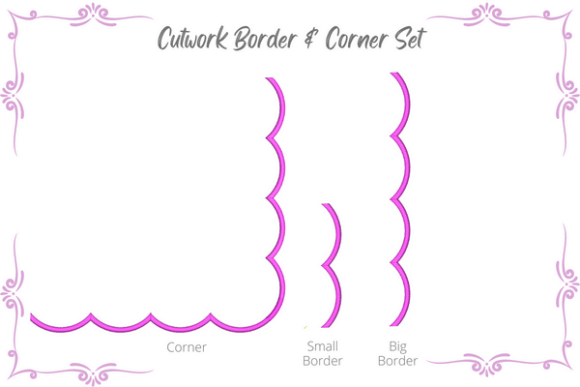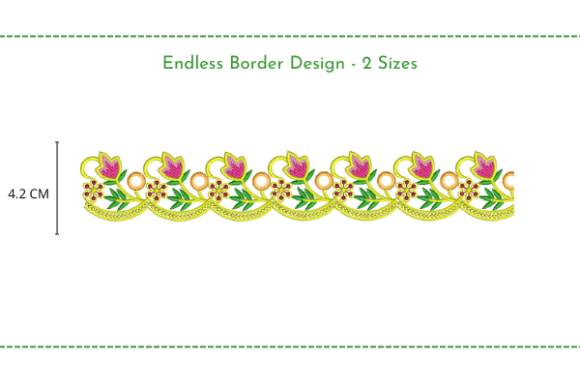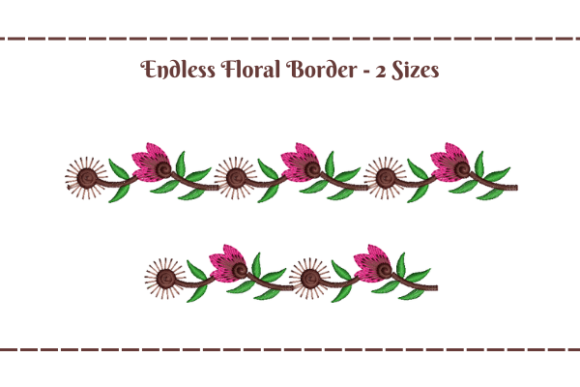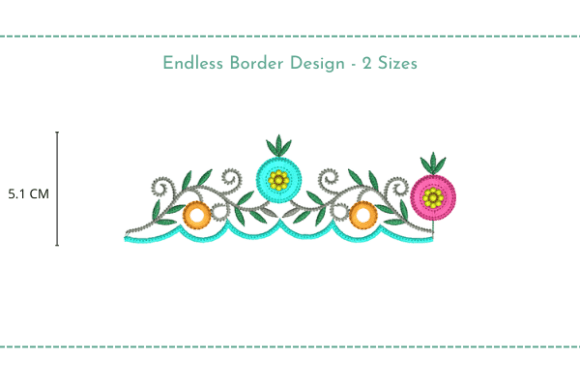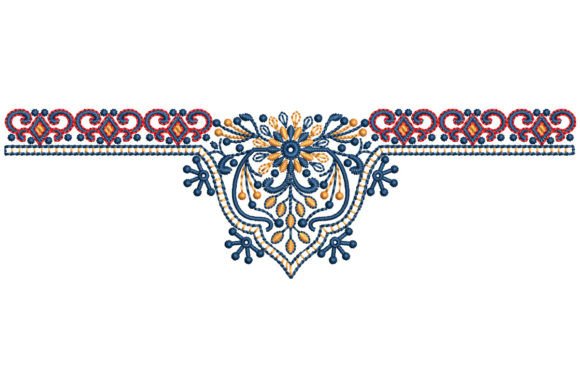
Corner Border: A Designer’s Review for Branded Merch
As an embroidery designer who spends countless hours digitizing and testing files for commercial use, I approach every new machine embroidery design with a critical eye. It is not just about aesthetics; it is about functionality, durability, and brand representation. Recently, I evaluated the Corner Border design, a versatile asset from the Borders category that promises to add a touch of personality to fabric quickly and easily. For small business owners, Etsy sellers, and apparel decorators, finding reliable design assets that elevate a finished product without complicating production is essential. Here is my professional review of how this design performs in real-world business scenarios.
First Impressions: Visual Personality and Versatility
The first thing that strikes me about the Corner Border is its adaptability. In the world of Embroidery, corner elements are often overlooked in favor of central logos, yet they play a crucial role in framing a design or adding a subtle signature to a garment. This design feels both professional and approachable. It does not scream for attention with excessive complexity, which makes it ideal for brands aiming for a clean, modern, or rustic aesthetic. Whether you are running a boutique bakery, a floral studio, or a handmade jewelry shop, the visual weight of this border suggests quality without overpowering the primary brand message.
The description notes that this is a quick and easy way to personalize fabric. From a design perspective, "quick" usually implies efficient stitch paths and manageable run times, which is a massive benefit for high-volume commercial embroidery projects. The style leans towards decorative yet structured, making it suitable for both casual wear and more refined home decor items.
Real-World Applications for Small Business Merch
When I test a digital embroidery file, I immediately visualize it on various substrates. The Corner Border shines in several specific applications for small business merchandise:
- Branded Patches: This is perhaps the strongest use case. Embroidered patches are trending heavily in the maker community. Using this border as a frame for a small logo or initial creates a cohesive embroidered patch that looks premium. It works exceptionally well on denim jackets or canvas totes.
- Staff Uniforms and Aprons: For cafes and boutiques, staff presentation is part of the customer experience. Placing this border on the corner of an apron bib or the sleeve of a work shirt adds a layer of detail that distinguishes custom uniforms from generic wholesale blanks. It enhances apron embroidery by breaking up large blocks of solid color.
- Tote Bags and Packaging: As a tote bag design element, the corner placement is strategic. It allows the main body of the bag to remain clean while still showcasing brand effort. It can also be used on fabric gift bags, turning simple packaging into a memorable unboxing experience.
- Cap Embroidery: While cap space is limited, a corner element can work beautifully on the side panels or near the adjustment strap, offering a unique alternative to the standard front-center logo.
Strategic Placement and Brand Identity
Consistency is key to building brand identity. When customers see the same high-quality detailing across your custom apparel, packaging, and home goods, it builds trust. The Corner Border serves as a visual anchor. By using this design consistently across different product lines, you create a recognizable visual language. It signals to the buyer that attention to detail is a core value of your business.
For Etsy sellers and crafters, this design can increase the perceived value of a handmade product. A simple pillowcase or napkin set becomes a luxury item when accented with precise, professional embroidery. It transforms a basic commodity into a curated piece of decor, allowing for higher price points and better customer engagement.
Technical Considerations and Potential Pitfalls
While the design is described as easy to use, experienced embroiderers know that context matters. Here are areas where you should exercise caution:
- Fabric Texture and Stability: Corner designs can sometimes pull or pucker if the fabric is not properly stabilized. Always use the appropriate stabilizer for your material. On textured fabrics like terry cloth or heavy canvas, ensure the stitch density is sufficient to cover the weave but not so dense that it causes stiffness.
- Size and Scale: If you are scaling this down for a small patch or a delicate chest logo, check the detail level. Tiny lettering or intricate outlines may merge if stitched too small. Always test at the intended size before running a full production batch.
- Curved Surfaces: Applying a linear border to a curved surface, such as a cap front or a rounded pocket, requires careful hooping. Misalignment here is obvious. Use magnetic hoops or specialized cap frames to ensure the design sits flat and true.
- Thread Color Contrast: The impact of this design relies heavily on contrast. On dark uniforms, ensure you are using high-viscosity threads or lighter colors to make the border pop. Conversely, on light fabrics, a subtle tone-on-tone thread can create an elegant, understated look.
Designer Notes for Best Results
To get the most out of the Corner Border, follow these practical steps before committing to large orders:
- Test in Black and White First: Stitch out the design in black thread on white fabric. This reveals the structural integrity and stitch path clarity without the distraction of color.
- Check Hoop Size Compatibility: The product description does not specify exact dimensions. Verify the hoop size requirements against your machine’s capabilities. Ensure the design fits comfortably within your smallest hoop if you plan to do multiple placements on one garment.
- Create a Printable Mockup: Before stitching, place the design digitally on photos of your actual products. This helps clients visualize the final result and approves the placement strategy.
- Review Commercial Licensing: Always confirm the license terms associated with the embroidery file. Ensure you have the rights to use the design for physical goods sold in your store.
- Inspect Stitch Density: If the design feels stiff after stitching, consider adjusting the density settings in your editing software, provided you have the technical skills and appropriate file format.
Final Verdict for Business Owners
The Corner Border is a valuable addition to any embroidery designer’s library. It bridges the gap between simple decoration and professional branding. For small businesses looking to elevate their small business merch, this design offers a low-risk, high-reward way to add character to clothing, home decor, and bags. It is not just a pattern; it is a tool for enhancing brand recognition and product value.
Remember, the success of any machine embroidery design depends on execution. Take the time to test on your specific fabrics, choose your thread colors wisely, and prioritize quality control. When used correctly, the Corner Border can become a signature element of your brand, delighting customers and setting your products apart in a crowded marketplace. Always check the specific file details and license terms provided by the creator to ensure seamless integration into your workflow.