Reviewing Times Roman Font GHI for Embroidery
As an embroidery designer who spends countless hours digitizing and stitching, I am always on the lookout for fonts that bridge the gap between classic elegance and machine-friendly practicality. Recently, I explored Times Roman Font GHI on Creative Fabrica, specifically looking for a typeface that could elevate my Back To School collection. This review shares my honest perspective on how this machine embroidery design performs in real-world applications, from custom apparel to handmade gifts.
First Impressions: Classic Appeal Meets Stitch Precision
The first thing that strikes you about Times Roman Font GHI is its timeless aesthetic. It carries the weight and authority of a traditional serif font, which immediately suggests quality and professionalism. For Embroidery projects, this is crucial. A font must not only look good on a screen but also translate well into thread. The visual mood here is sophisticated yet approachable, making it a versatile asset for various design assets.
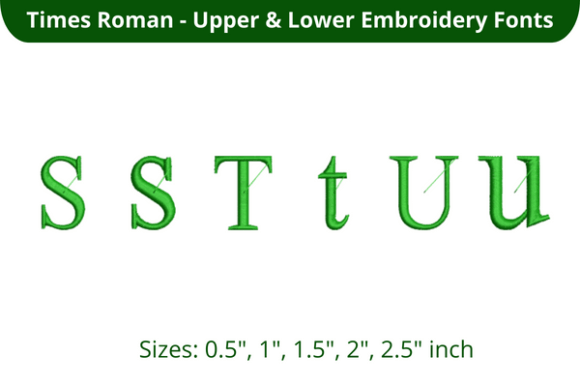
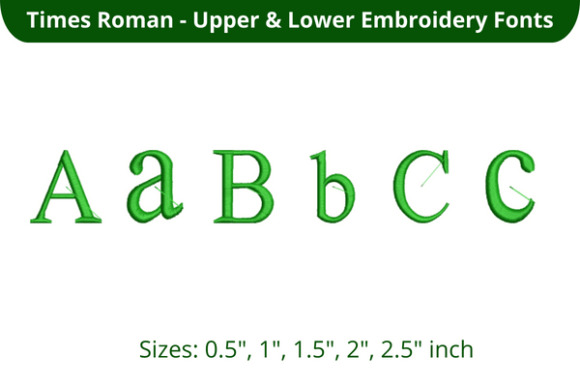
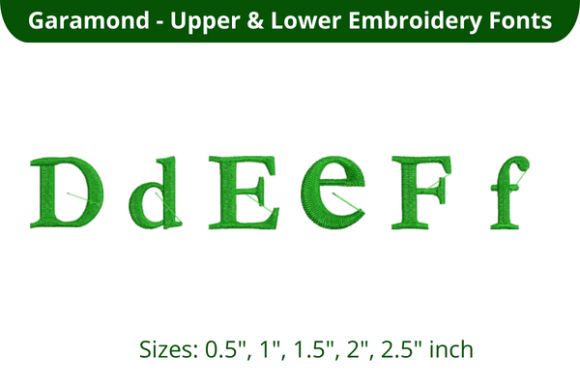
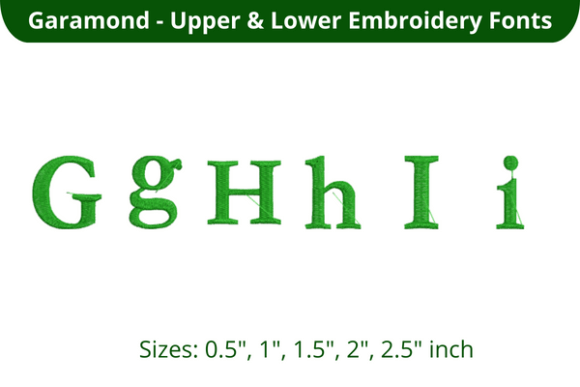
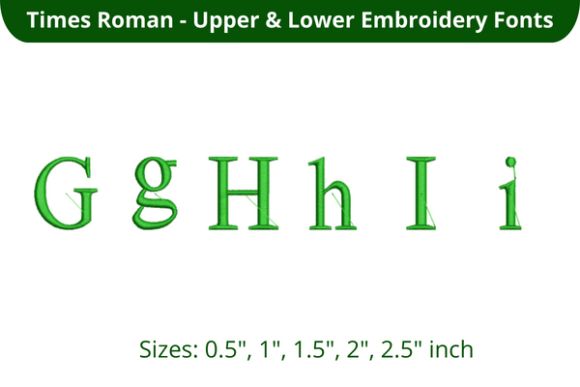
When examining the stitch preview, I noticed a balanced approach to detail. The serifs are distinct without being overly fragile, which is a common pitfall with serif fonts in embroidery. The stitch density appears moderate, suggesting that it will lay flat on most fabrics without causing excessive puckering. This initial observation made me confident that Times Roman Font GHI could handle both delicate items like baby blankets and sturdier goods like tote bags.
Real-World Application: From Tote Bags to Sweatshirts
I decided to test this embroidery file on a few different projects to gauge its versatility. My primary goal was to create personalized items for the upcoming season. Here is how Times Roman Font GHI performed across different mediums:
- Tote Bag Design: I stitched the font on a canvas tote. The bold lines of the serif held up beautifully against the textured fabric. The satin stitch boundaries were clean, giving the letters a polished look that elevated the simple bag into a boutique-quality item.
- Sweatshirt Embroidery: On a fleece sweatshirt, the font provided a crisp contrast. Because fleece can be tricky due to its pile, I used a cut-away stabilizer. The result was sharp, legible text that did not sink into the fabric. This makes it an excellent choice for custom apparel where readability is key.
- Personalized Gift Items: I used the font for a monogram on a kitchen towel. The smaller sizes remained legible, which is often a challenge with complex serif fonts. This reliability makes Times Roman Font GHI a strong contender for creating high-value personalized gifts.
Navigating Technical Challenges in Embroidery
While Times Roman Font GHI is a high-quality design, successful embroidery requires attention to technical details. Here are some practical considerations I encountered during my testing phase:
Fabric Selection and Stabilization
The performance of any digital embroidery file depends heavily on the fabric. For stretchy materials like jersey knits, I highly recommend using a tear-away or cut-away stabilizer to prevent distortion. The serif details in Times Roman Font GHI require a stable base to maintain their shape. On dark fabrics, I found that choosing high-contrast thread colors was essential to highlight the intricate details of the serifs.
Hoop Size and Letter Scaling
One must be mindful of hoop size when scaling this font. While it works well for names and short quotes, shrinking it too much for tiny lettering might cause the serifs to merge or become indistinct. I advise running a test stitch on scrap fabric before committing to your final piece. This step ensures that the stitch density is appropriate for your specific machine and thread combination.
Curved Surfaces and Caps
Stitching on curved surfaces, such as caps, presents unique challenges. I found that Times Roman Font GHI worked well on the front panel of a cap, provided I used a strong backing stabilizer. The running stitch underlay helped anchor the design, preventing shifting during the stitching process. However, for highly curved areas, keep the design size moderate to avoid distortion.
Enhancing Product Value and Brand Consistency
For Etsy sellers and small business owners, the choice of font can significantly impact brand perception. Times Roman Font GHI exudes a sense of tradition and reliability. Using this font in your commercial embroidery projects can help establish a consistent brand identity that appeals to customers looking for classic, high-end aesthetics.
When creating printable mockup images for your online shop, this font photographs exceptionally well. The clean lines and defined edges create a professional look that enhances visual appeal. This, in turn, can boost buyer trust and engagement. Customers are more likely to perceive a finished product as valuable when the typography is crisp and well-executed.
Practical Tips for Best Results
To get the most out of Times Roman Font GHI, consider these best practices:
- Test on Scrap Fabric: Always stitch a sample on the same type of fabric you plan to use for the final product. This allows you to adjust tension and stabilizer choices.
- Check Thread Contrast: Ensure your thread color contrasts sufficiently with the fabric, especially for smaller sizes where detail retention is critical.
- Review Stitch Density: If you notice excessive pulling or puckering, consider adjusting your machine tension or using a heavier stabilizer.
- Confirm File Details: Before selling finished items, always check the product page on Creative Fabrica for specific license terms. While this Creative Fabrica embroidery product is designed for personal and commercial use, verifying the current license agreement is a prudent step for any professional.
- Inspect Small Details: After stitching, closely inspect the serifs and corners. Trim any loose threads carefully to maintain a clean, professional finish.
Final Verdict: Is It Worth the Download?
In my experience, Times Roman Font GHI is a valuable addition to any embroidery designer’s library. Its ability to adapt to various projects—from embroidered patches and aprons to nursery decor and pillow covers—makes it a versatile tool. The font’s classic style ensures it remains relevant across seasons, making it a smart investment for Back To School collections and beyond.
For those looking to enhance their handmade product offerings with a touch of elegance, this applique design-ready font delivers. It balances aesthetic beauty with technical feasibility, allowing creators to produce high-quality custom apparel and home goods with confidence. Whether you are a seasoned professional or a creative entrepreneur just starting out, Times Roman Font GHI offers the reliability and style needed to stand out in a crowded market.
Remember, the key to successful embroidery lies in preparation and testing. By taking the time to understand how Times Roman Font GHI interacts with different fabrics and stabilizers, you can unlock its full potential and create stunning, durable pieces that your customers will love.