Retro Bunny Ear Bow ITH Applique Review
As an embroidery designer who has spent years digitizing and testing files for commercial use, I approach every new machine embroidery design with a critical eye. It is not enough for a design to look cute on a screen; it must perform flawlessly under the needle and serve a strategic purpose for the business owner. Today, I am reviewing the Retro Bunny Ear Bow ITH Applique, a digital asset that promises to add a touch of nostalgic charm to various textile products. For small business owners, Etsy sellers, and boutique creators, understanding how this specific embroidery file translates into tangible merchandise is crucial for maximizing return on investment.
First Impressions: Visual Personality and Brand Fit
The immediate visual impact of the Retro Bunny Ear Bow ITH Applique is undeniably playful and friendly. The "retro" descriptor in the title suggests a nod to mid-century aesthetics or vintage children’s wear, which evokes feelings of warmth and nostalgia. This is not a corporate, sterile logo; it is a decorative element that humanizes a brand. For businesses in the lifestyle, bakery, florist, or pet care sectors, this design aligns perfectly with a brand identity that values approachability and handmade quality.
However, from a professional standpoint, we must assess whether "playful" compromises "professional." In my review, I found that the applique technique inherently lends a premium, textured look that elevates the perceived value of the finished product. Unlike flat printed graphics, embroidery adds depth. When executed correctly, this bow does not look cheap; it looks intentional and crafted. This distinction is vital for small business merch where customers are willing to pay more for items that feel special and unique.
Real-World Application for Small Business Merchandise
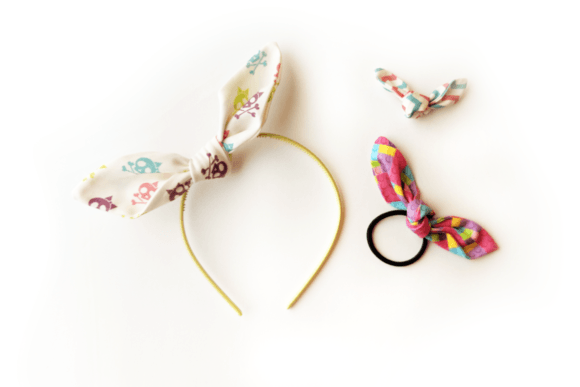
The versatility of an In-The-Hoop (ITH) design is its greatest asset for commercial embroidery projects. The product description notes that these make fun fashion accessories for ponytail holders, hair clips, and headbands. While this is true, limiting the use to hair accessories would be a missed opportunity for broader brand exposure. Here is how I envision this design performing in a real-world business scenario:
- Branded Patches: By stitching the design onto felt or twill and cutting it out, you create an embroidered patch. These can be sewn onto denim jackets, canvas totes, or even used as limited-edition rewards for loyal customers.
- Café and Boutique Uniforms: Imagine a local bakery where staff wear crisp white aprons. A small, neatly embroidered bunny bow on the chest pocket adds a signature touch without being overwhelming. It serves as subtle apron embroidery that reinforces brand recognition.
- Cap Embroidery: Placed on the side panel or back of a dad hat, this design offers a trendy, asymmetrical look. It appeals to a younger demographic looking for custom apparel that stands out from standard corporate logos.
- Tote Bag Design: For bookstores or gift shops, adding this accent to canvas bags transforms a generic utility item into a desirable handmade product. It acts as a walking advertisement for your shop.
For Etsy sellers and crafters, this design also serves as an excellent component in mixed-media projects. It can be incorporated into quilt blocks, baby blankets, or personalized gift tags, expanding the range of design assets available to your customers.
Technical Considerations and Production Challenges
While the aesthetic appeal is strong, technical execution is where many beginners fail. As a designer, I must highlight areas where the Retro Bunny Ear Bow ITH Applique requires careful handling. The success of any digital embroidery file depends heavily on the interaction between thread, fabric, and stabilizer.
First, consider the stitch density. Applique designs rely on a satin stitch border to hold the fabric piece in place. If the density is too high, it can cause puckering, especially on lightweight fabrics like chiffon or thin cotton. Conversely, if the density is too low, the edges may fray after washing. I recommend testing this design on a scrap piece of your intended production fabric before committing to a large batch.
Second, evaluate the hoop size requirements. ITH designs often require specific hoops to accommodate the folding and stitching process. Ensure your machine’s maximum hoop capacity matches the file’s requirements. If you are producing high volumes, a larger hoop might allow for multi-up stitching, significantly reducing production time.
Third, pay attention to thread colors and contrast. The retro vibe often relies on specific color palettes—mustards, teals, pinks, or creams. However, if you are placing this on dark uniforms, you must ensure the applique fabric contrasts sufficiently with the background garment. A dark bow on a black shirt will vanish. Always create a printable mockup to visualize the contrast before stitching.
Strategic Use Cases and Cautionary Notes
Not every surface is suitable for this design. While it excels on flat, stable surfaces like tote bags and aprons, curved surfaces like cap fronts require expertise. The curvature of a cap can distort the shape of the bow, making it look uneven. If you are new to cap embroidery, practice extensively or stick to flat applications until you master the tension adjustments.
Additionally, consider the durability requirements. Items that undergo frequent industrial washing, such as healthcare uniforms or heavy-duty workwear, may not be the best candidate for delicate applique edges unless reinforced properly. For these items, a fully stitched satin column design might be more durable than an applique with fabric edges. Always check the care instructions and advise clients accordingly to maintain customer trust.
Another critical factor is scale. If you shrink the design too much for tiny labels or jewelry tags, the intricate details of the bow’s knot and ears may merge, losing definition. Test the minimum viable size to ensure the brand identity remains clear and recognizable.
Enhancing Brand Identity and Customer Trust
Incorporating the Retro Bunny Ear Bow ITH Applique into your product line is more than just adding decoration; it is a strategic move to enhance brand identity. Consistency in visual elements builds recognition. When customers see this distinctive bow on your packaging, your social media posts, and your physical products, it creates a cohesive narrative.
This consistency fosters trust. It signals that you pay attention to detail and care about the presentation of your Accessories and other goods. In the world of online sales, where customers cannot touch the product before buying, high-quality photos of well-executed Embroidery work can be the deciding factor in a purchase. The texture and sheen of the thread convey quality that prints cannot match.
Practical Designer Notes for Implementation
Before you launch this design into your commercial workflow, follow these practical steps:
- Test in Monochrome: Stitch the design in black thread on white fabric first. This reveals any issues with spacing, density, or registration without the distraction of color.
- Check Stabilizer Compatibility: Use a cut-away stabilizer for garments that will be washed frequently to prevent distortion. For tote bags, a tear-away might suffice, but test for stability.
- Verify Licensing: Before using any digital embroidery file for commercial purposes, confirm the license terms. Ensure you have the right to sell finished products made with this design.
- Create Client Mockups: If you are doing custom work for clients, use software to place the design on their specific garment images. This manages expectations and reduces revisions.
- Inspect Fabric Texture: Avoid using this applique on highly textured fabrics like terry cloth or loose knits, as the small details may get lost or cause snagging.
In conclusion, the Retro Bunny Ear Bow ITH Applique is a versatile and charming addition to any embroidery designer’s library. When used strategically, it enhances small business merch, adds value to custom apparel, and strengthens brand presence. By respecting the technical limitations and leveraging its aesthetic strengths, you can create products that delight customers and drive sales. Always prioritize quality control and testing to ensure that every stitched item reflects the professionalism of your brand.