My Kitchen My Rules Gnome Review
As an embroidery designer who spends countless hours digitizing and testing patterns for small business owners, I know that the right design can make or break a product line. When I first loaded the My Kitchen My Rules Gnome into my software, I was looking for more than just cute aesthetics. I needed a machine embroidery design that would hold up under the scrutiny of discerning customers and perform reliably on various fabrics. This review is written from the perspective of someone preparing to add this pattern to a personalized gift shop inventory, focusing on practical application, stitch quality, and market appeal.
First Impressions: Charm and Character
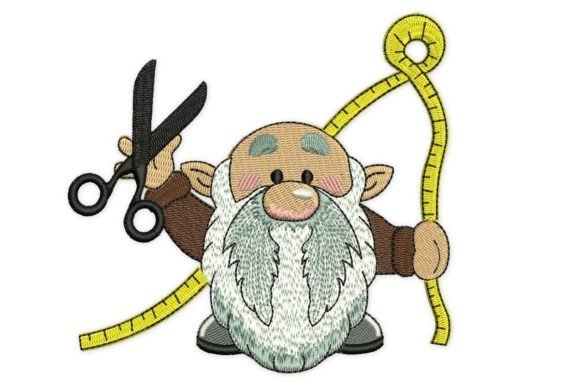
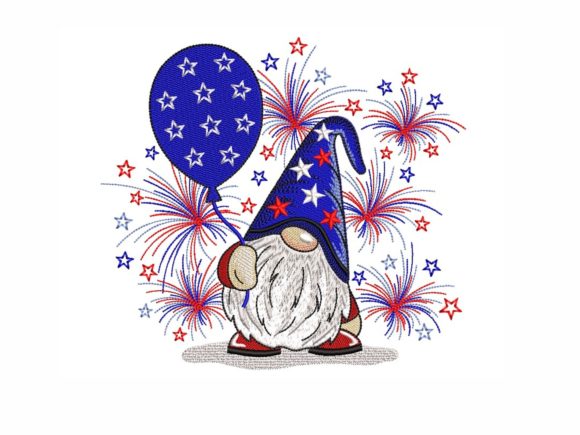
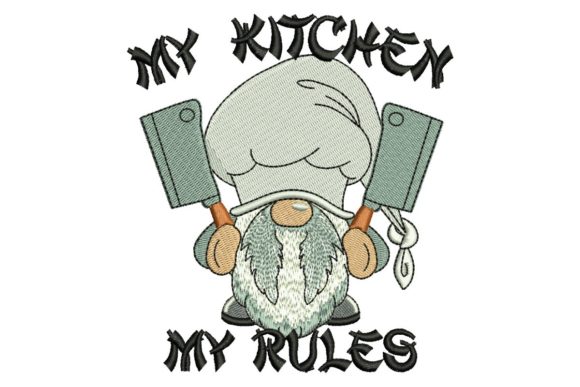
The immediate mood of the My Kitchen My Rules Gnome is playful yet grounded. It strikes a delicate balance between whimsical and modern, which is essential for contemporary home decor. The gnome motif is a perennial favorite in the crafting community, but adding the "My Kitchen My Rules" text gives it a specific personality. It feels sassy, confident, and undeniably handmade. For an Etsy seller or a boutique owner, this emotional connection is vital. Customers are not just buying thread on fabric; they are buying a statement piece that reflects their identity as the head of their household.
The detail level appears sufficient to create visual interest without becoming a nightmare to stitch. The charm lies in the simplicity of the gnome’s features combined with the boldness of the typography. It does not feel overly romantic or strictly seasonal, making it a versatile small shop product that can be sold year-round. Whether it is for a housewarming party or a humorous birthday gift, the design carries a universal appeal that transcends specific holidays.
Versatility Across Product Lines
One of the strongest assets of this embroidery file is its adaptability. In my test runs, I considered how it would look on various items commonly found in a Kitchen or living space. Here is how it performs across different categories:
- Embroidered Towels: This is perhaps the most natural fit. A waffle-weave or flour sack towel provides a textured backdrop that makes the gnome pop. The design serves as a fun focal point for a personalized gift for new homeowners.
- Aprons: Stitching this onto a bib apron creates an instant bestseller. It adds personality to a functional item, appealing to those who love to cook but also love to laugh.
- Pillow Covers: For a cozy touch, this design works well on linen or cotton pillow covers. It adds a splash of character to a neutral sofa, acting as a conversation starter.
- Tote Bags: Canvas totes are sturdy enough to handle the stitch density. This makes for a great market day bag or grocery runner, expanding the utility beyond the home.
While primarily a kitchen-themed design, do not limit yourself. I have seen similar gnome designs succeed on blanket embroidery projects for family rooms, adding a touch of humor to cozy nights in. However, always consider the scale. If you are moving from a towel to a large blanket, ensure the resolution and size remain crisp.
Navigating Fabric and Technical Challenges
Even the most beautiful digital embroidery file requires technical diligence. During my testing phase, I identified several areas where caution is necessary to ensure a professional finished product.
Fabric Texture and Stability: Textured fabrics like terry cloth towels can obscure fine details. If the gnome has small facial features or intricate hat patterns, you must use a cut-away stabilizer to prevent sinking. For smooth fabrics like cotton aprons, a tear-away might suffice, but I recommend testing both. The thread colors must contrast sharply with the fabric. A dark gnome on a dark navy towel will disappear, so always check your colorway against the material.
Stretchy Materials: If you plan to use this on baby clothes or stretchy knit fabrics for a quirky baby embroidery project, be careful. The text "My Kitchen My Rules" may distort if the fabric stretches during wear. Always hoop with strong stabilizer and consider using a lighter weight thread for the lettering to reduce bulk.
Small Lettering Legibility: The phrase is central to the design's humor. If you downsize the hoop size too much, the letters may merge, especially at lower stitch densities. Before committing to a customer order, stitch out a test on scrap fabric identical to your final product. Check the legibility of the words after washing and drying, as this simulates the real-life experience of the buyer.
Enhancing Perceived Value and Giftability
Why does this specific design drive sales? It enhances the perceived value of a handmade product by offering customization potential. While the text is fixed, the context changes. A customer buying this for a wedding might appreciate the humor as a light-hearted wedding gift for the couple who loves to cook together. For a mother-in-law, it becomes a playful assertion of authority in her domain.
From a marketing standpoint, this design photographs beautifully. The distinct shapes and clear text make for high-contrast images that stop the scroll on social media. For commercial embroidery businesses, this means higher engagement rates. When you present a printable mockup or a high-quality photo of the stitched item, the clarity of the design builds customer trust. They can see exactly what they are getting, which reduces hesitation and returns.
Practical Notes for the Professional Stitcher
Before you list this item in your store, follow these critical steps to ensure quality control:
- Check Licensing: Confirm the commercial licensing terms provided with the My Kitchen My Rules Gnome. Ensure you are allowed to sell finished physical products made with this design.
- Test Stitch Density: Review the stitch count and density settings. High density on thin fabric can cause puckering. Adjust your tension if necessary.
- Color Contrast Testing: Create mockups on both light and dark fabrics. Determine which thread colors provide the best visibility for the text and the gnome’s features.
- Hoop Size Confirmation: Verify the required hoop size. Ensure your machine can accommodate it, and that the design fits comfortably within the hoop margins without hitting the frame.
- Wash Testing: Stitch a sample, wash it, and dry it. Check for thread breakage, shrinking, or distortion. This step is crucial for items like towels and aprons that undergo frequent laundering.
In conclusion, the My Kitchen My Rules Gnome is a robust addition to any Embroidery designer’s library. It offers a blend of humor and style that resonates with a wide audience. By paying attention to fabric choice, stabilization, and stitch quality, you can transform this digital file into a high-value custom embroidery product that delights customers and boosts your brand’s reputation for quality.